
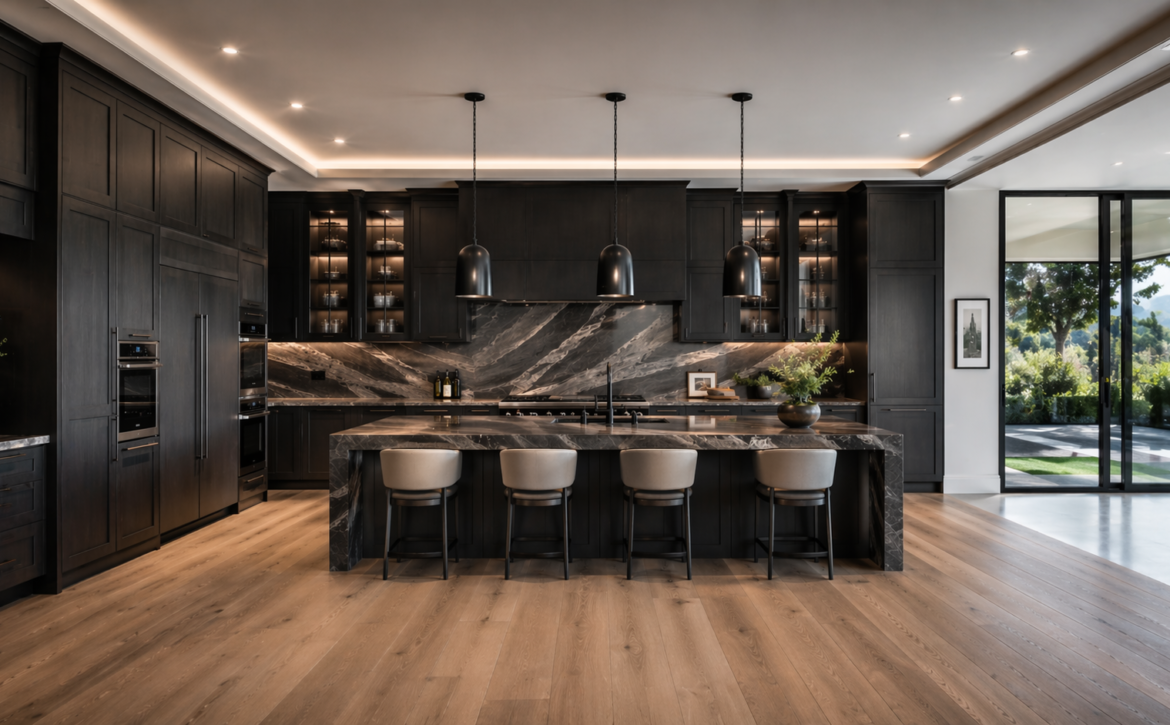
noviembre 19, 2024 by kitchenique 0 Comments

6 Ways Custom Cabinets Are Worth the Investment

Custom cabinets are not always the right answer, but where they are, nothing else works. Custom cabinetry is not automatically the right answer, and anyone who tells you otherwise is selling. It is the right answer in specific situations — and in those situations nothing else works. Here is where the money actually goes.

Custom Cabinets: 1. It Fits Rooms That Are Not Square

Older Connecticut houses are rarely true. Walls bow, ceilings step where an addition meets the original structure, and chimney breasts sit exactly where you wanted a run of base units. Stock cabinetry handles this with filler strips, which is a visible compromise on a wall you look at every day.

Custom work is measured to what is actually there and scribed to it. The result reads as part of the house rather than furniture pushed against a wall.

2. You Recover Space Standard Sizing Wastes

Stock cabinets come in three-inch jumps. Across a typical kitchen that surrenders somewhere between four and nine inches to filler — often an entire drawer bank. Custom sizing puts that back into storage.

3. Storage Is Designed Around You

Standard interiors are designed for an average household that does not exist. Custom lets the interior follow how you actually cook: a deeper drawer for stock pots, a narrow pull-out for trays beside the oven, a spice run at eye level rather than above the hood.
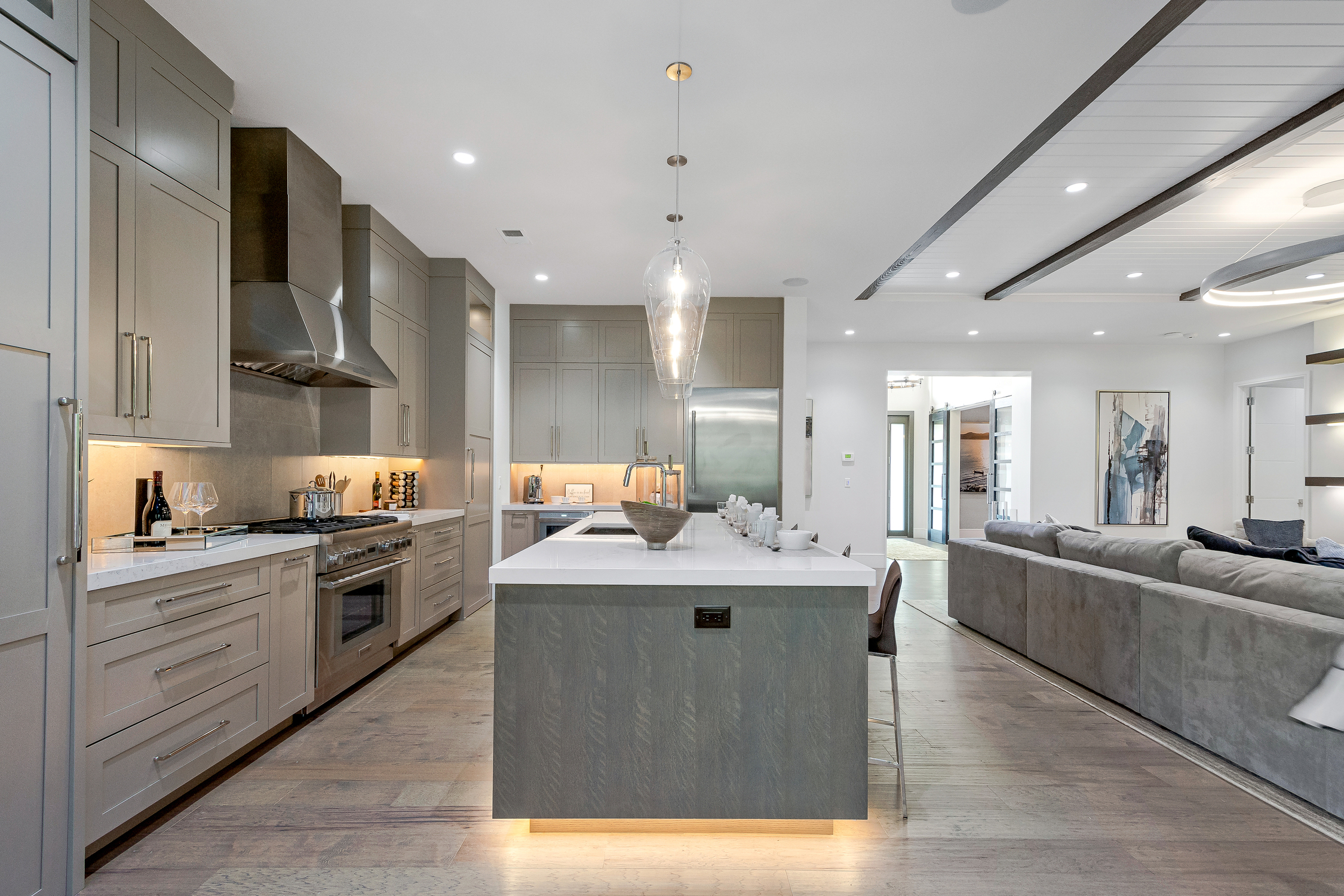
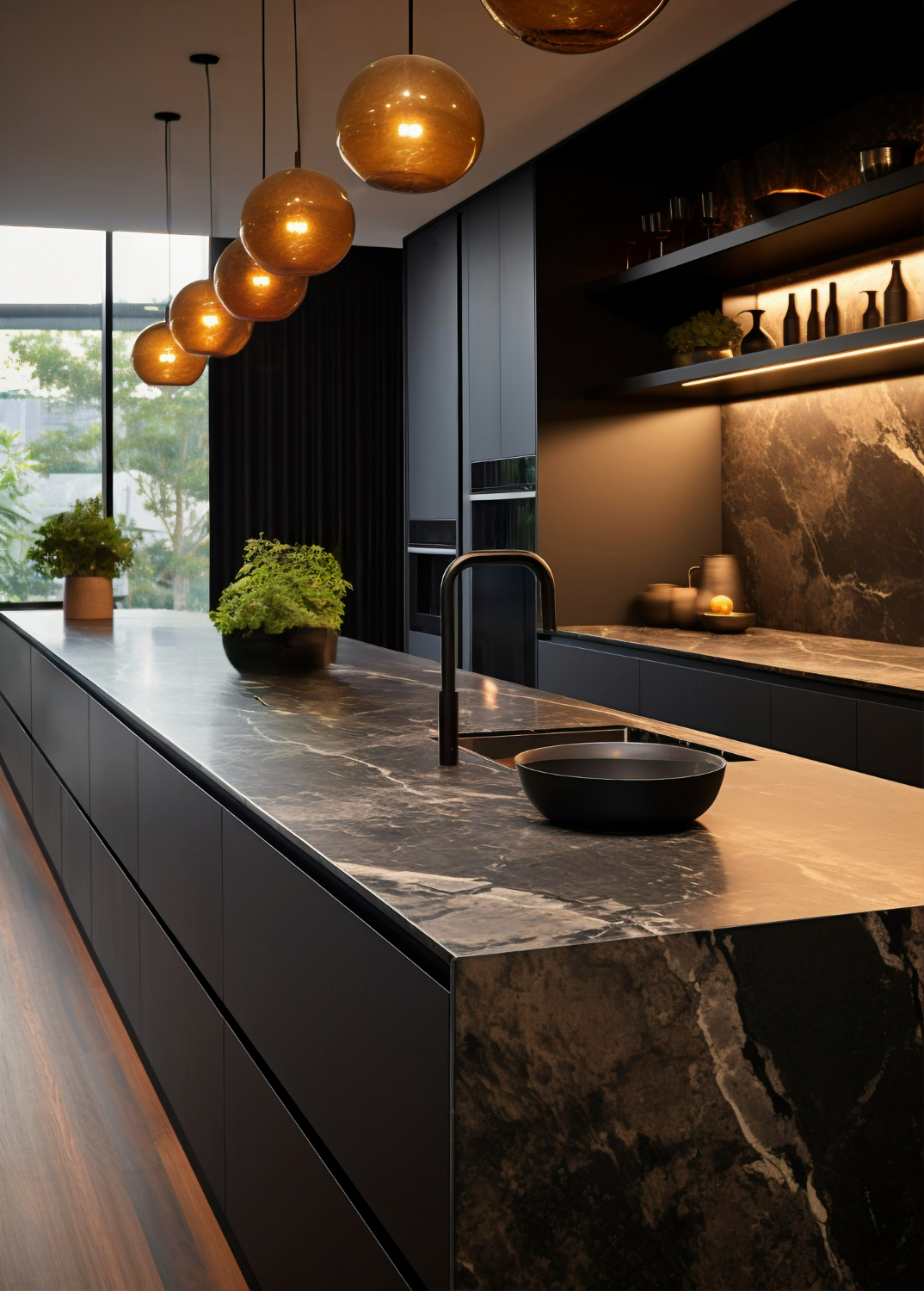
Custom kitchen cabinetry fitted to an irregular room in Connecticut
Custom work is scribed to what is actually there.

4. Inset Construction Becomes Available

Doors set flush within the face frame are largely a custom proposition, because the tolerances are tight enough that the box has to be built to suit. In a period house it is the detail that makes cabinetry read as joinery rather than as fitted units. It is worth seeing in person — the reveal and the hardware carry the whole effect.

5. Material and Finish Are Genuinely Open

Custom removes the catalogue constraint. Species, cut, stain, sheen level and paint colour can all be matched to existing millwork or to a floor you are keeping, rather than chosen from whatever is closest.

6. It Lasts Long Enough to Matter

Custom shops build to a standard rather than to a price point — plywood boxes, dovetailed drawers, catalysed finishes. Over a long enough horizon the cost per year converges with cabinetry you would replace sooner.

A practical split: custom where the architecture demands it, quality semi-custom everywhere else. Reserving custom for the main kitchen and running semi-custom through the mudroom and laundry keeps the budget where it shows.

Deciding Which You Need

The honest test is whether your room has a problem stock sizing cannot solve. If it does, custom pays for itself. If it does not, semi-custom will give you the same construction quality and finish range for less. Our teams at the Danbury and Waterbury showrooms will tell you which situation you are in.

Ready to start your cabinetry project?

Visit Kitchenique Cabinetry in Danbury or Waterbury to explore kitchen cabinets, bathroom vanities, countertops, cabinet styles, finishes, and design options for your home.
12 Ways to Make Your Kitchen Cabinets More Functional

Kitchen cabinets do more work than any other element in the room. Most kitchens that feel short on storage are not short on volume. They are short on access. The changes below range from an afternoon with a screwdriver to decisions made at the ordering stage, and they are ordered roughly from easiest to most involved.

Kitchen Cabinets: Changes You Can Make to Existing Cabinets

If the boxes are sound, a surprising amount can be improved without replacing anything.

  • Add pull-out shelves to base cabinets. The single highest-return change available. It converts a cupboard you reach into blindly to a drawer you look down into.
  • Fit a blind corner pull-out. Corner cabinets swallow whatever goes in them. A swing-out or sliding mechanism recovers space you already paid for.
  • Use vertical dividers above the fridge. That awkward shallow cabinet is ideal for trays, boards and baking sheets stored on edge rather than stacked flat.
  • Add a drawer-in-a-drawer insert. A shallow tray above a deep drawer doubles the usable layers for small items.
  • Fit a pull-out bin unit. Freestanding bins take floor space and traffic. A cabinet-mounted pair keeps the walkway clear.
  • Install undershelf lighting. Not storage, but it changes how usable a deep counter run feels after dark.
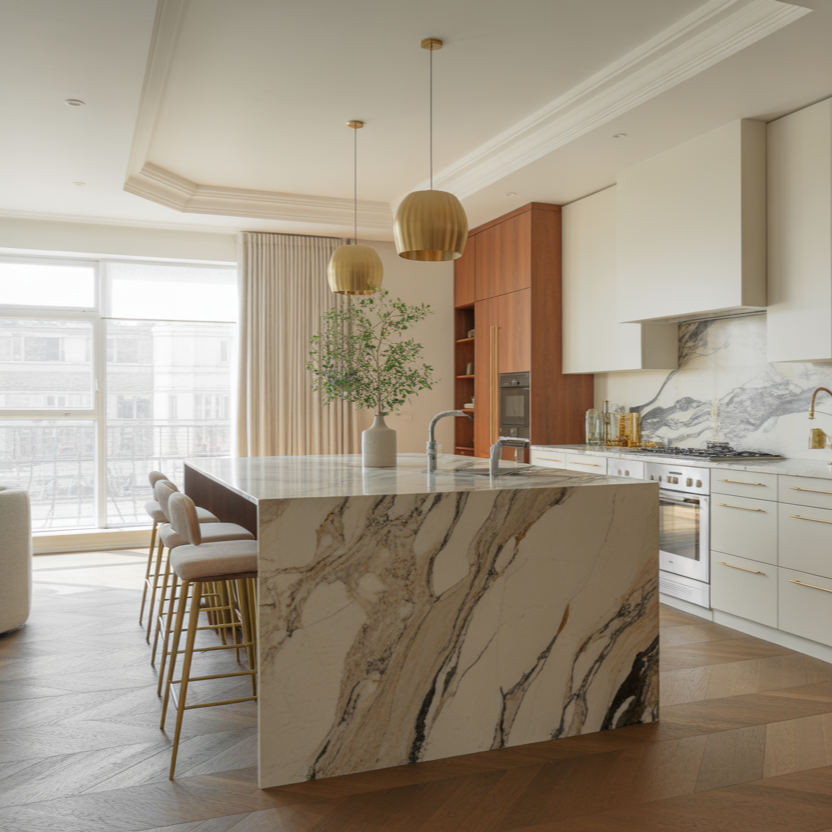
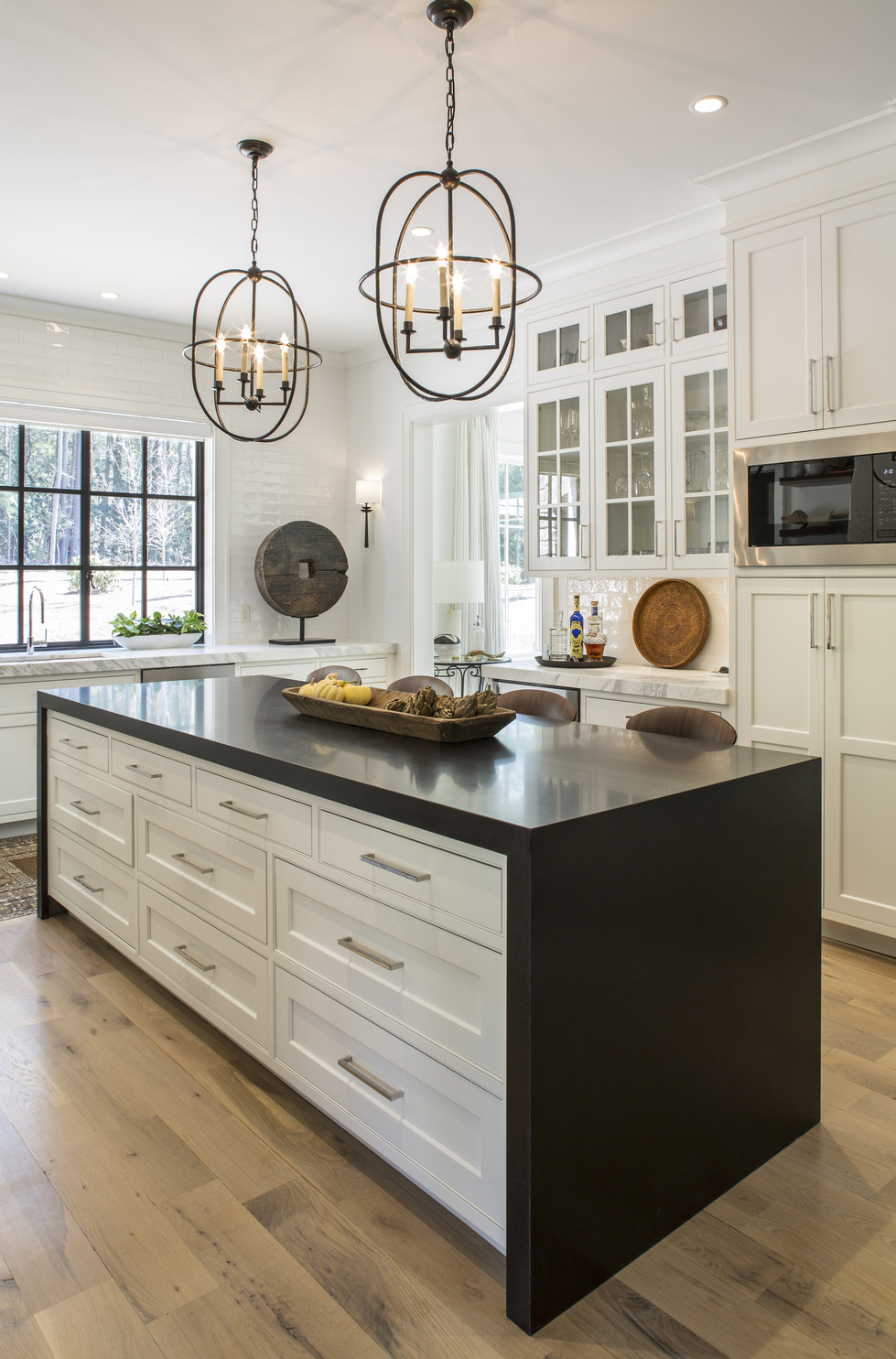
Kitchen island with organised drawer storage in a Connecticut home
Drawers at base level are the change owners notice most.

Changes That Need Planning but Not New Cabinets

  • Remove the soffit and extend upward. A dropped soffit costs a foot of storage across every wall. Extending cabinetry to the ceiling reclaims it and makes the room feel taller.
  • Reassign zones rather than add storage. Moving everyday plates next to the dishwasher and baking equipment next to the oven removes more walking than most layout changes.
  • Add a tall pantry unit in place of a base-and-wall pair. Often a better use of the same wall for households that shop in volume.

Decisions Made at the Ordering Stage

These are the ones worth getting right the first time, because retrofitting them is expensive.

  • Specify drawers rather than doors at base level. Almost always the right choice. Drawers make the full cabinet depth reachable; doors do not.
  • Size in one-inch increments. Semi-custom sizing recovers the inches that a standard run surrenders to filler strips — often a full drawer bank across a kitchen.
  • Plan a landing zone beside every appliance. Counter next to the oven, the fridge and the sink is used constantly and is easy to design away by accident.

If you only do one thing on this list, convert base cabinets to drawers. It changes daily use more than any finish decision.

Getting the Layout Reviewed

Layout errors are cheap on paper and expensive afterwards. Bringing a rough plan and your measurements to the Danbury or Waterbury showroom lets you see storage fittings working at full size and get a second opinion before anything is ordered.

You can also compare cabinet ranges and countertop options in the same visit.

Ready to start your cabinetry project?

Visit Kitchenique Cabinetry in Danbury or Waterbury to explore kitchen cabinets, bathroom vanities, countertops, cabinet styles, finishes, and design options for your home.
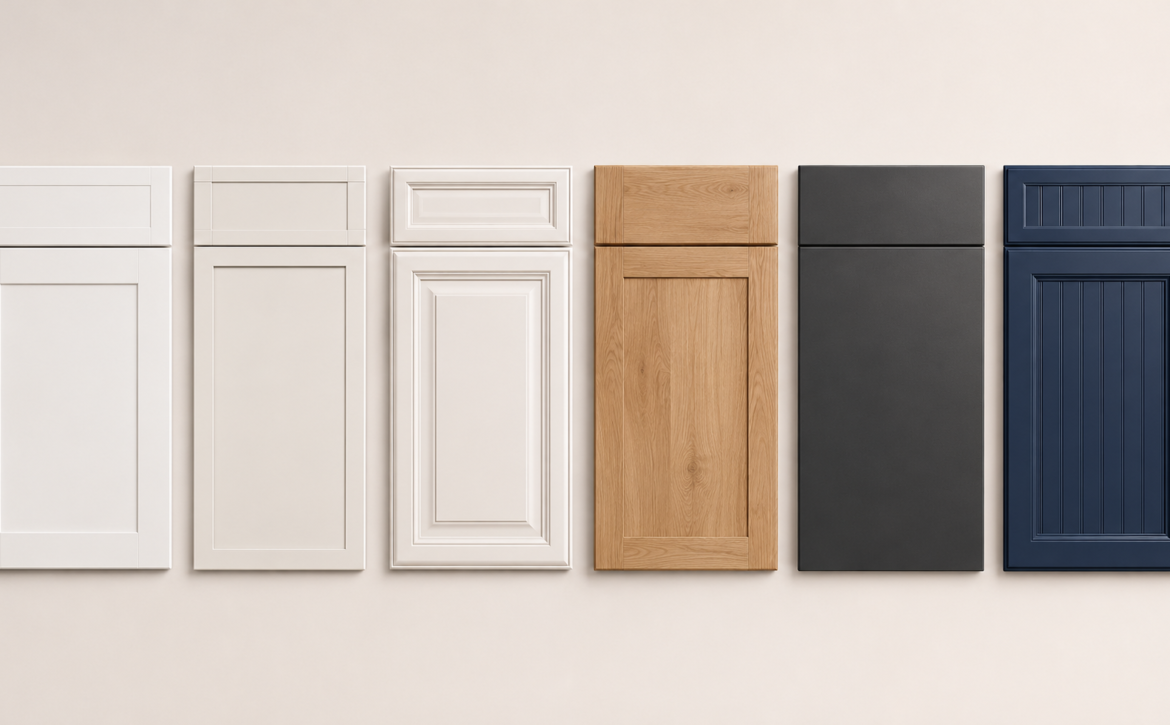
3 Features to Look for in Durable, Long-Lasting Kitchen Cabinets

Kitchen cabinets do more work than any other element in the room. Cabinet quality is mostly invisible once the doors are shut. Two kitchens that photograph identically can be a decade apart in how long they last, and the differences come down to three things you can check yourself in about five minutes.

Kitchen Cabinets: 1. How the Box Is Built

The box carries the weight and holds the cabinet square. Plywood sides, a full back panel, and joinery at the corners rather than staples through a butt joint are what keep a cabinet from racking over time. A racked cabinet is why doors that once lined up slowly stop lining up.

Check the back specifically. A full plywood back lets the cabinet be screwed into studs anywhere along its width. A thin panel stapled into a rebate does not, and it is a common cost saving in budget lines.

  • Plywood sides rather than particleboard
  • A full-thickness back panel
  • Corner joinery, not staples alone
  • Adjustable shelves at least 3/4 inch thick

2. Drawer Boxes and Glides

Drawers take more abuse than any other part of a kitchen. A dovetailed hardwood drawer box with full-extension undermount glides will outlive the kitchen around it. A stapled box on side-mounted rollers will start to sag and rub within a few years of ordinary use.

The test in a showroom takes seconds. Pull a drawer out fully — it should come all the way, stay level with no droop, and close without a shove. Then push down gently on the open drawer front. A good assembly barely moves.

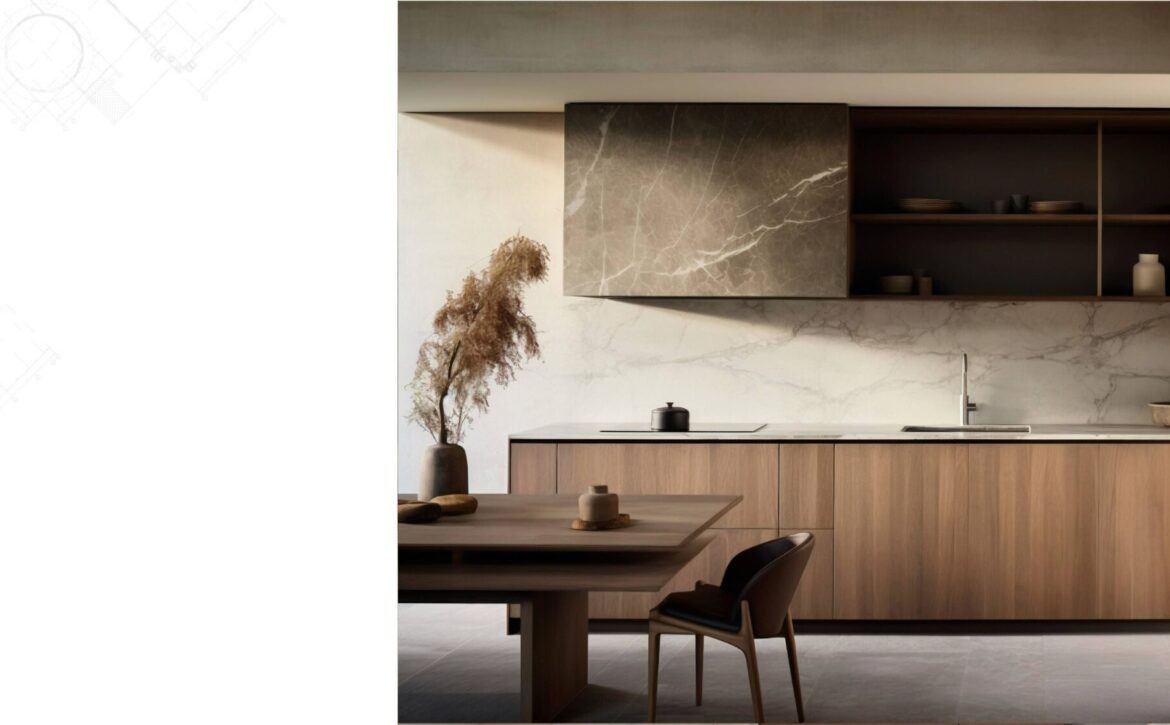
Cabinet door panel and finish detail showing construction quality
Look at the back of a door: quality lines finish every face.

3. The Finish

Finish is what fails first in a kitchen, usually around the sink and the cooktop where heat and moisture concentrate. A properly applied catalysed finish is cured rather than merely dried, which is why it resists cleaning products that would dull a lesser coating.

Look at an inside edge and the back of a door. Quality lines finish all faces, which keeps the door stable as humidity changes through the year. A door finished only on the show face is more likely to cup.

Where Semi-Custom Fits

You do not need full custom to get all three of these. Good semi-custom lines are built to the same standards as custom work and differ mainly in how much the sizing and configuration can be varied. For most kitchens that flexibility is enough, and it puts the budget into construction rather than bespoke dimensions.

Spend on the box, the drawer, and the finish. Those decide how long the kitchen lasts. Door style decides how it looks, and it costs the same whether you choose well or badly.

Checking for Yourself

Bring these three checks to any showroom, ours included. Open a drawer fully, look at the back of a door, and put a hand on an unsupported shelf. Our Danbury and Waterbury displays are set up so you can do exactly that rather than take a claim on trust.

Ready to start your cabinetry project?

Visit Kitchenique Cabinetry in Danbury or Waterbury to explore kitchen cabinets, bathroom vanities, countertops, cabinet styles, finishes, and design options for your home.

8 Unexpected Benefits of High-Quality Bathroom Cabinets

Bathroom cabinets are usually chosen on looks and budget, in that order. The benefits that owners actually notice a few years in are rarely the ones that sold them — and they have more to do with construction than with style.

Bathroom Cabinets: 1. They Survive the Humidity

A bathroom cycles from dry to saturated several times a day. Particleboard boxes with a thin laminate edge absorb that moisture at any exposed seam and swell from the inside out, which is why the bottom edge of a cheap vanity door starts to look furry after a few winters. Plywood boxes with properly sealed edges do not have that failure mode.

2. Drawers Make the Room Work Differently

A vanity with a single door and a shelf forces everything into two piles: the front, which you can see, and the back, which you cannot. Two working drawers turn the same volume into storage you actually use. In a bathroom where every item is small, that difference is larger than in any other room in the house.

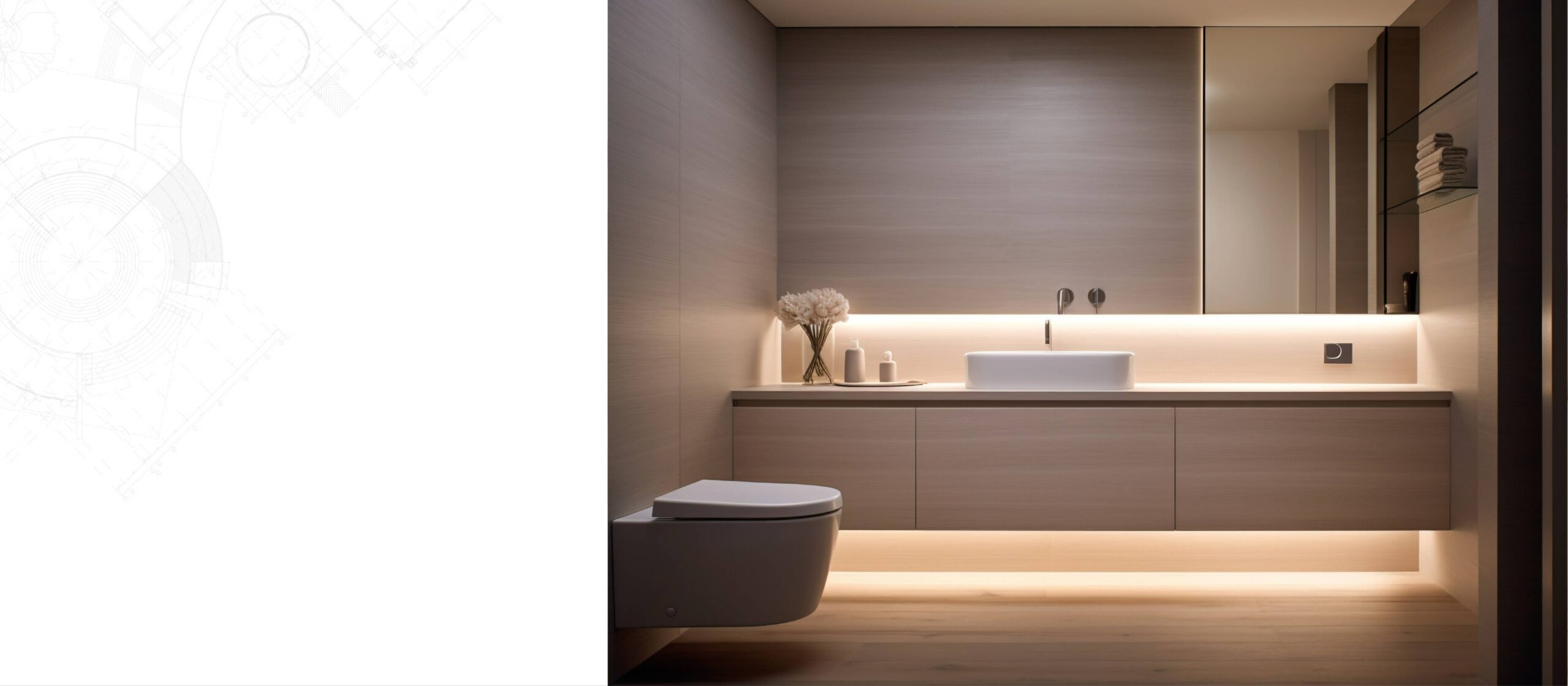
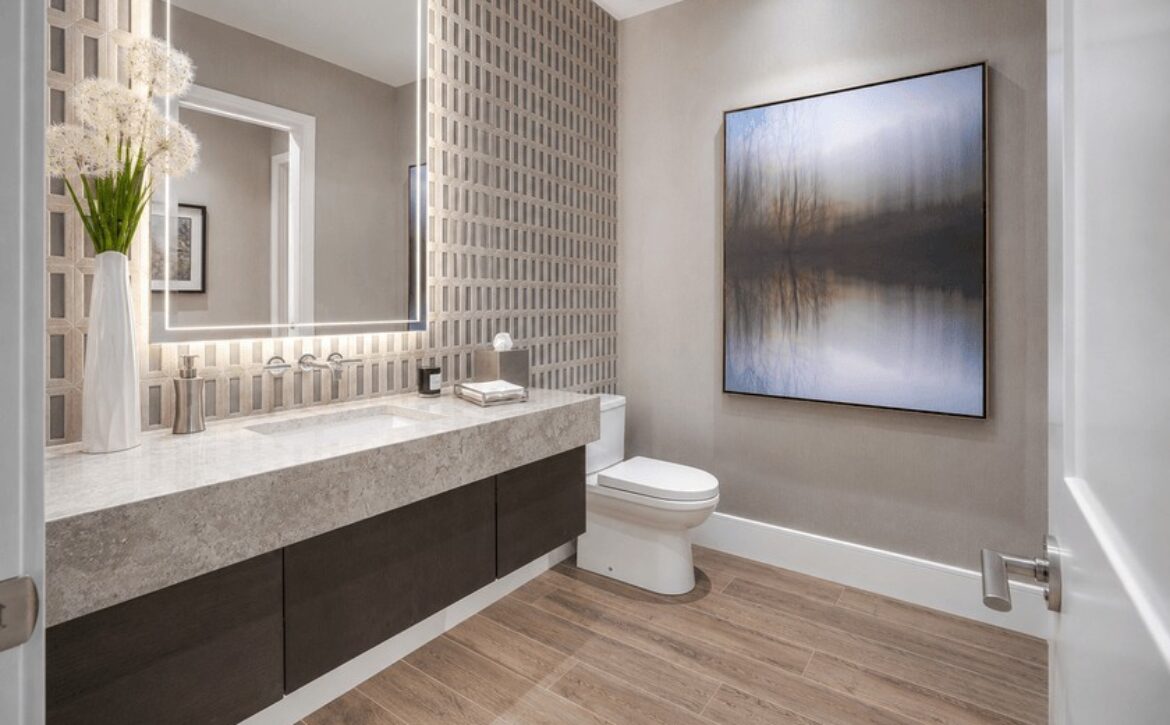
Floating bathroom vanity with drawer storage and integrated lighting
Drawers turn the same volume into storage you can actually reach.

3. The Finish Stays Where It Was Put

Quality finishing is a multi-stage process with sanding between coats, and it bonds to the substrate rather than sitting on top of it. The practical result is a door you can wipe down daily without the sheen wearing through at the handle, which is exactly where cheaper finishes fail first.

4. Better Hardware Means a Quieter Bathroom

Soft-close hinges and undermount glides are usually sold as a luxury. In a bathroom shared by people on different schedules they are closer to a practical necessity — the difference between a drawer that announces someone is awake at six and one that does not.

5. A Smaller Bathroom Can Feel Larger

Wall-hung and reduced-depth vanities keep floor visible underneath, and continuous floor reads as more space even when the square footage is identical. In the small bathrooms common in older Connecticut housing this is one of the few genuinely free gains available.

6. Your Countertop Options Open Up

A well-built cabinet carries stone without deflection. Lightweight boxes limit you to thinner or lighter tops, which quietly removes options before you have chosen. Starting with a sound cabinet means the countertop decision stays open.

Bathroom countertop and cabinet pairing detail at Kitchenique Cabinetry
A well-built cabinet keeps heavier countertop options available.

7. They Are Easier to Keep Clean

Fewer applied mouldings, better door gaps, and a finish that does not hold residue all reduce the amount of work a bathroom needs. It sounds minor until you compare cleaning a flat-panel door against one with four profiled edges collecting toothpaste.

8. You Can Match Them Again Later

Bathrooms tend to get updated one at a time. Established cabinet lines stay available for years, so the vanity you choose now can be matched in the next bathroom. Budget lines change constantly, and a near-match is more obvious than a deliberate contrast.

You can compare vanity construction directly at our Danbury and Waterbury displays — opening a drawer tells you more than any specification sheet.

Ready to start your cabinetry project?

Visit Kitchenique Cabinetry in Danbury or Waterbury to explore kitchen cabinets, bathroom vanities, countertops, cabinet styles, finishes, and design options for your home.
2023 Kitchen Trends to Follow

Kitchen remodeling is judged on how the room works, not on how it photographs. Kitchen trends are worth judging by whether they solved a problem or only looked different. Here is what was moving in 2023, and an honest read on which of it has held up.

Kitchen Remodeling: Warm Wood Returning to a White Kitchen

After a long stretch of all-white kitchens, 2023 brought wood back — usually as an island, a run of tall units, or open shelving against painted perimeter cabinetry. It solved a genuine problem, which is that an entirely white kitchen can read cold under Connecticut winter light.

This one has aged well. Mixing materials hedges: if the painted colour eventually dates, the wood element still anchors the room.

Deep Greens and Blues on Lower Cabinets

Saturated colour on base cabinets with lighter uppers was widespread in 2023. As a strategy it holds up, because keeping the colour low means the room does not close in and the cabinet doors are the cheapest element to repaint later.

The caution is choosing a colour that was fashionable rather than one you like. Colour on a permanent surface is a bigger commitment than colour on a wall.

Quieter countertop surfaces paired with kitchen cabinets
Calmer surfaces have held up, especially in open-plan kitchens.

Drawers Replacing Doors at Base Level

Less a trend than a correction, and the most durable idea on this list. Drawers make the full cabinet depth reachable where a fixed shelf wastes its back half. Nothing about this will date.

Fluted and Reeded Detailing

Vertical fluting on island panels and tall units appeared everywhere in 2023. Used sparingly on a single element it still reads well. Applied across a whole kitchen it is the item on this list most likely to look distinctly of its moment.

Quieter Countertops

The move away from heavily veined slabs toward calmer surfaces has held, particularly in open-plan kitchens where the countertop is visible from the living space. Pattern that reads as subtle up close can dominate from across a room. Our countertop selections cover both ends of that range.

A trend worth following usually solves something as well as looking current. Drawers and mixed materials solved problems. Fluting mostly did not.

What This Means Now

If you are planning a kitchen today, the 2023 ideas worth keeping are the structural ones — drawer-based storage, mixed materials, calmer surfaces. Treat the decorative ones as accents rather than as the organising idea.

You can compare finishes and door profiles at our Danbury and Waterbury showrooms, which is the only reliable way to judge how a colour or a wood tone will behave in your own light.

Ready to start your cabinetry project?

Visit Kitchenique Cabinetry in Danbury or Waterbury to explore kitchen cabinets, bathroom vanities, countertops, cabinet styles, finishes, and design options for your home.