How to Choose the Right Bathroom Vanity Size for Your Space
Single or double vanity? What width, height, and depth actually work? A practical bathroom vanity sizing guide from Kitchenique Cabinetry.



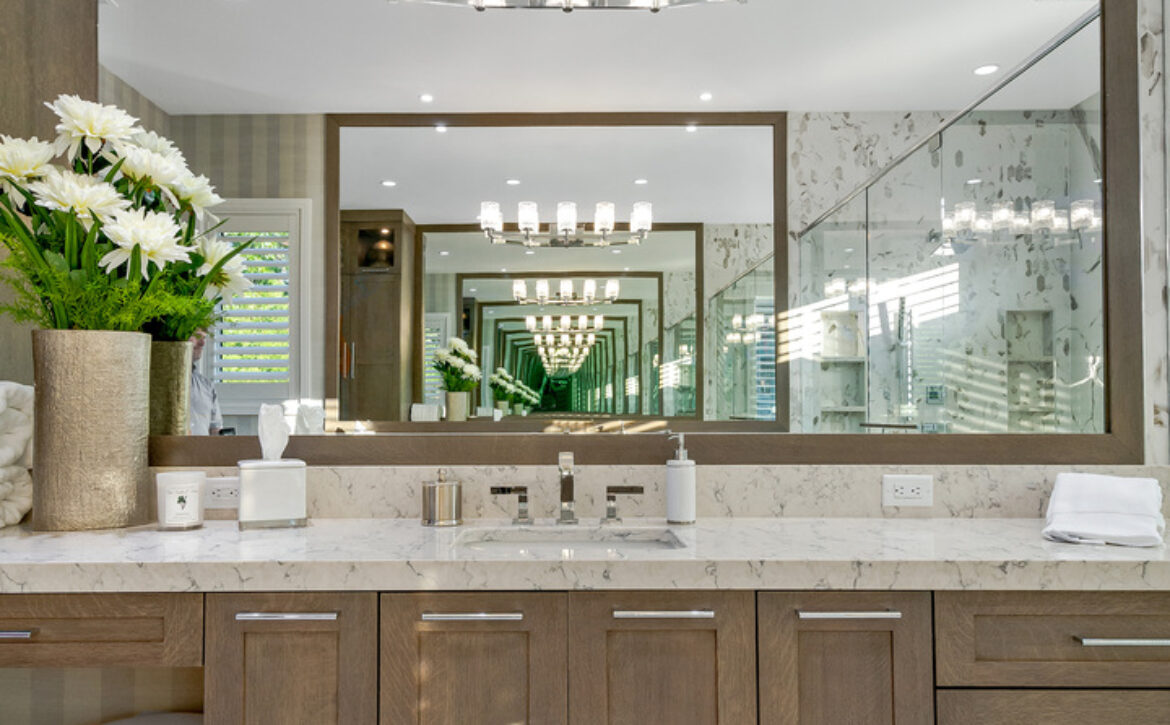
Single or double vanity? What width, height, and depth actually work? A practical bathroom vanity sizing guide from Kitchenique Cabinetry.
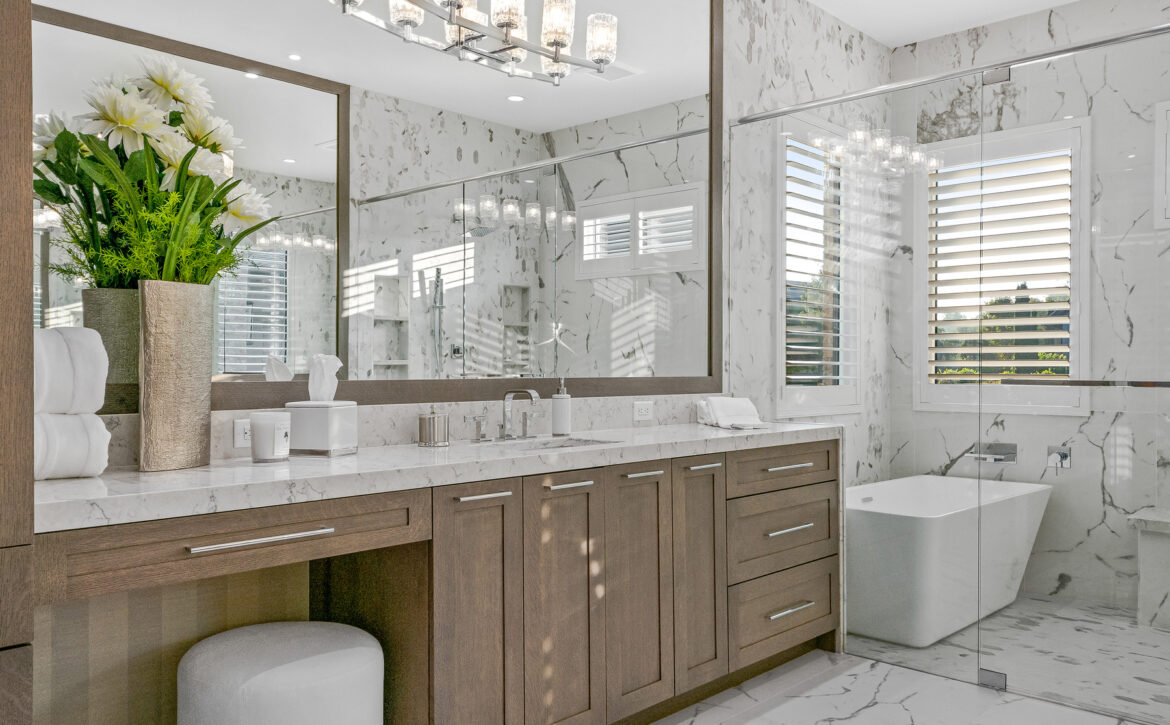
Bathroom cabinets are chosen under tighter constraints than any other cabinetry in the house. Bathroom cabinetry is chosen under more constraints than kitchen cabinetry and with less room for error. The decisions below are roughly in the order they should be made — getting them out of sequence is what causes most of the rework.
Before any size question, map what opens into the room: the door, the shower screen, the drawers themselves. In a small bathroom these collide, and the vanity is usually blamed for a problem the door created. Measure the arc of the door on the floor and work inside what is left.
A wider vanity is not automatically better. A 30-inch cabinet with two working drawers will hold more usable storage than a 36-inch cabinet with a single door and a shelf, because drawers make the full depth reachable.
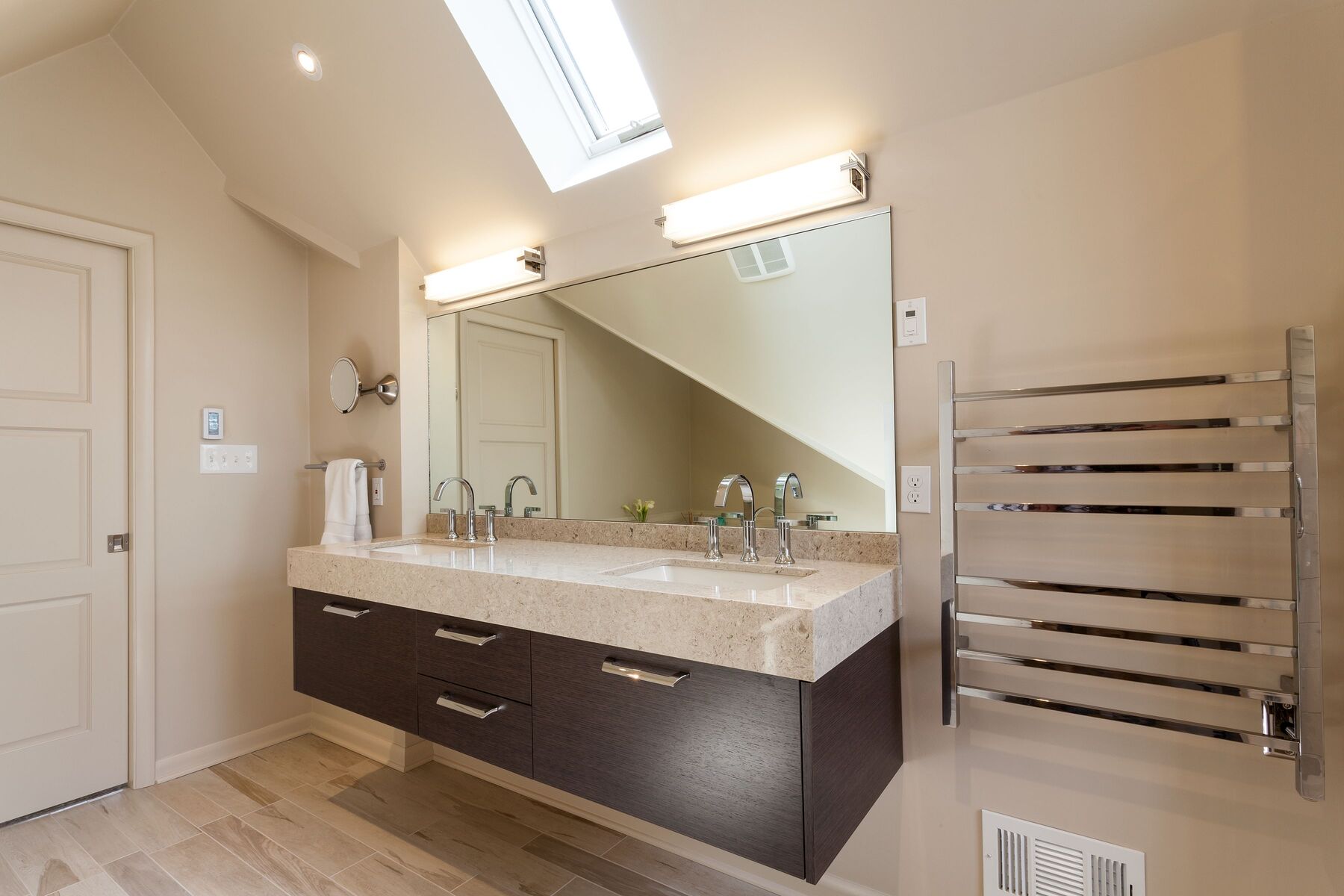
Where floor area is tight, reduced-depth and wall-hung options recover the visual floor that makes a small room feel workable. Where there is space, a double drawer bank flanking a single sink usually beats two sinks people rarely use simultaneously.
Bathrooms cycle between dry and saturated daily. Plywood boxes with sealed edges tolerate that; particleboard swells at any exposed seam, which is why cheaper vanity doors go furry along the bottom edge. This matters more than the colour and is harder to change later.
Vanity tops and cabinet finishes should be chosen together, with the actual door sample in hand. Undertone mismatches are invisible in isolation and obvious once installed. Our countertop selections can be compared directly against vanity finishes in the showroom.
If you are updating the kitchen in the same project, bring that door sample too. Coordinating across rooms is what makes a renovation read as one piece of work.
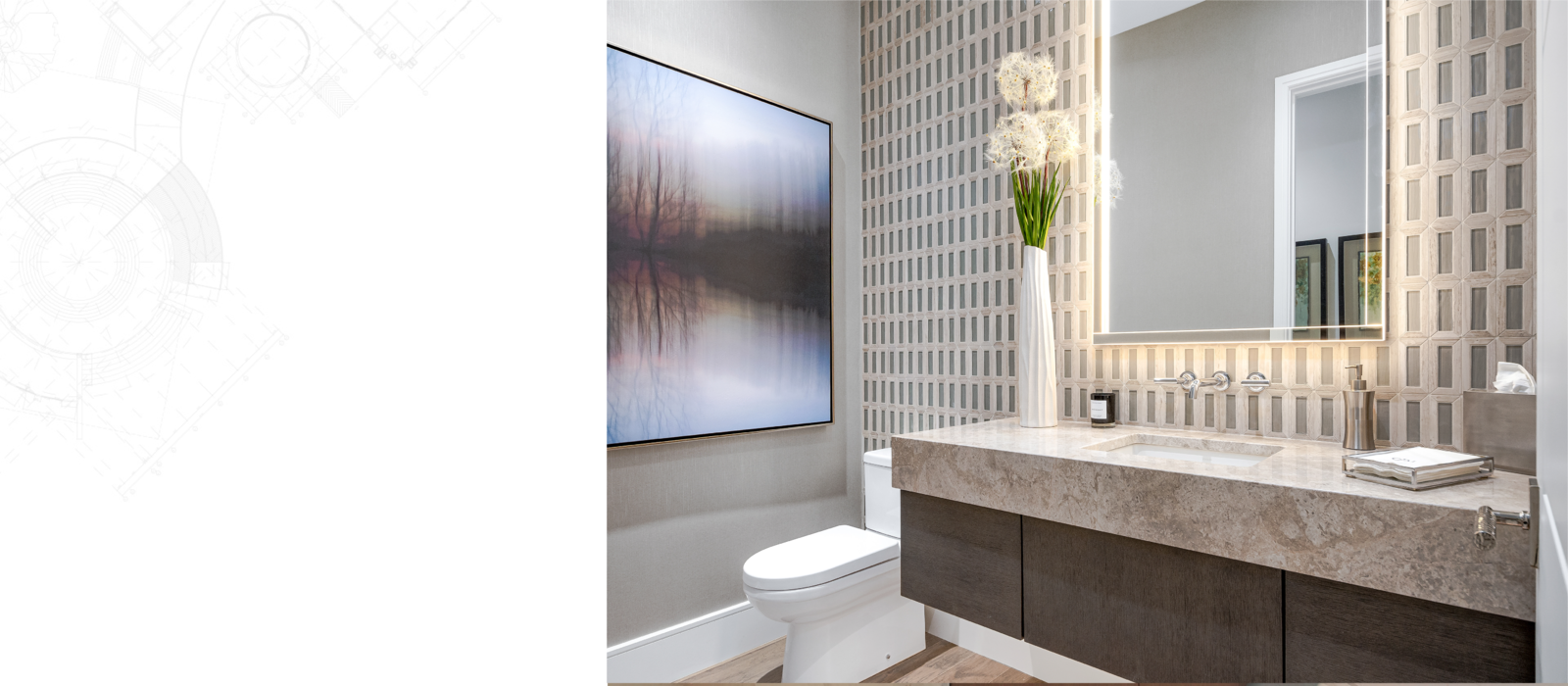
Style is the easiest decision and the one most people start with. Leaving it until the constraints are settled means you are choosing from options that will actually work, rather than falling for a piece that cannot fit.
See vanity construction in person at our Danbury and Waterbury displays — opening a drawer tells you more than a specification sheet.
Visit Kitchenique Cabinetry in Danbury or Waterbury to explore kitchen cabinets, bathroom vanities, countertops, cabinet styles, finishes, and design options for your home.
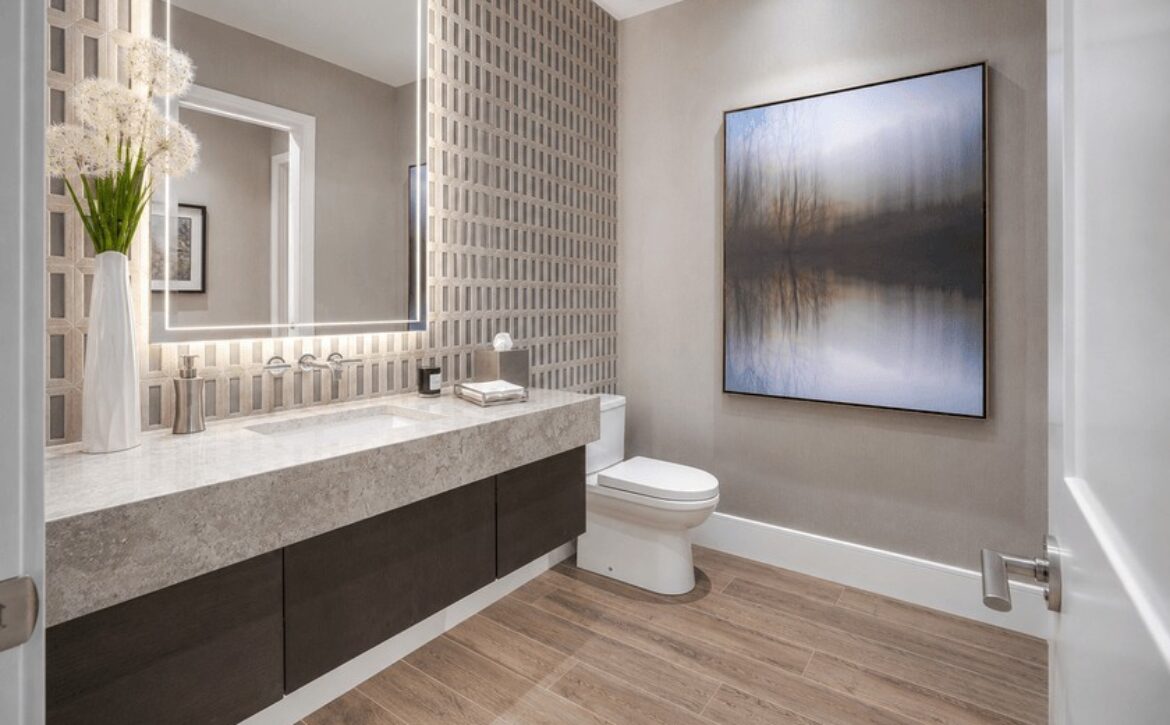
Bathroom cabinets are usually chosen on looks and budget, in that order. The benefits that owners actually notice a few years in are rarely the ones that sold them — and they have more to do with construction than with style.
A bathroom cycles from dry to saturated several times a day. Particleboard boxes with a thin laminate edge absorb that moisture at any exposed seam and swell from the inside out, which is why the bottom edge of a cheap vanity door starts to look furry after a few winters. Plywood boxes with properly sealed edges do not have that failure mode.
A vanity with a single door and a shelf forces everything into two piles: the front, which you can see, and the back, which you cannot. Two working drawers turn the same volume into storage you actually use. In a bathroom where every item is small, that difference is larger than in any other room in the house.
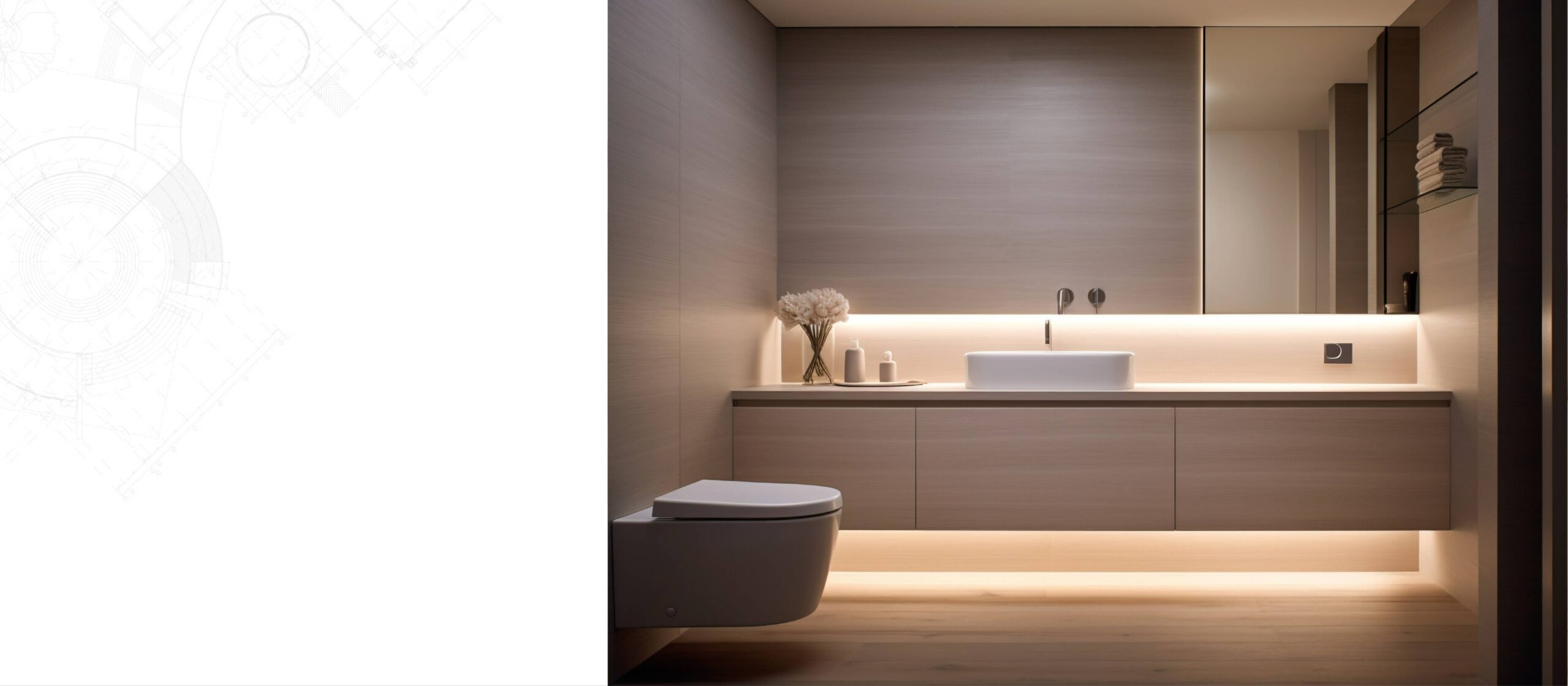
Quality finishing is a multi-stage process with sanding between coats, and it bonds to the substrate rather than sitting on top of it. The practical result is a door you can wipe down daily without the sheen wearing through at the handle, which is exactly where cheaper finishes fail first.
Soft-close hinges and undermount glides are usually sold as a luxury. In a bathroom shared by people on different schedules they are closer to a practical necessity — the difference between a drawer that announces someone is awake at six and one that does not.
Wall-hung and reduced-depth vanities keep floor visible underneath, and continuous floor reads as more space even when the square footage is identical. In the small bathrooms common in older Connecticut housing this is one of the few genuinely free gains available.
A well-built cabinet carries stone without deflection. Lightweight boxes limit you to thinner or lighter tops, which quietly removes options before you have chosen. Starting with a sound cabinet means the countertop decision stays open.
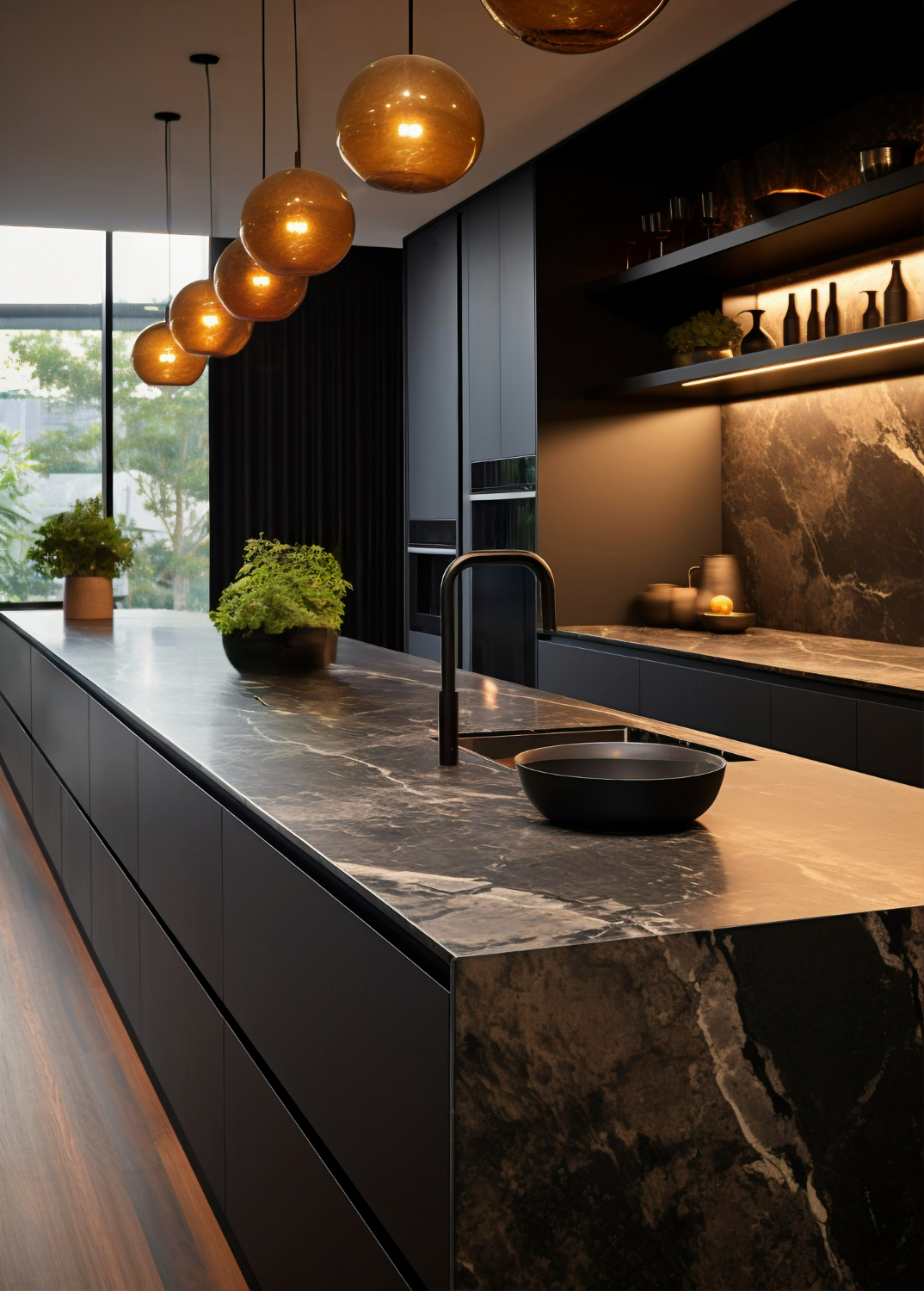
Fewer applied mouldings, better door gaps, and a finish that does not hold residue all reduce the amount of work a bathroom needs. It sounds minor until you compare cleaning a flat-panel door against one with four profiled edges collecting toothpaste.
Bathrooms tend to get updated one at a time. Established cabinet lines stay available for years, so the vanity you choose now can be matched in the next bathroom. Budget lines change constantly, and a near-match is more obvious than a deliberate contrast.
You can compare vanity construction directly at our Danbury and Waterbury displays — opening a drawer tells you more than any specification sheet.
Visit Kitchenique Cabinetry in Danbury or Waterbury to explore kitchen cabinets, bathroom vanities, countertops, cabinet styles, finishes, and design options for your home.