Shaker, Slim Shaker, Raised Panel, Slab, or Beaded Inset: How to Choose a Cabinet Door Style
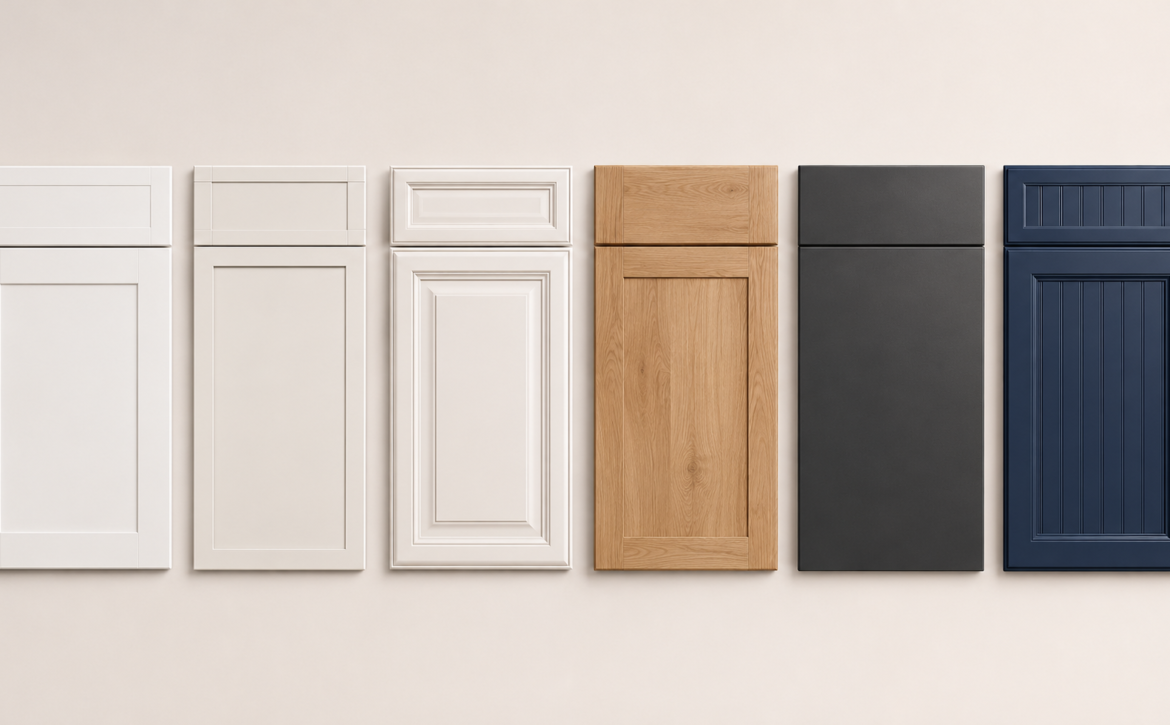
Shaker, Slim Shaker, Raised Panel, Slab, or Beaded Inset: compare Kitchenique’s cabinet door styles to find the right fit for your kitchen or bathroom.



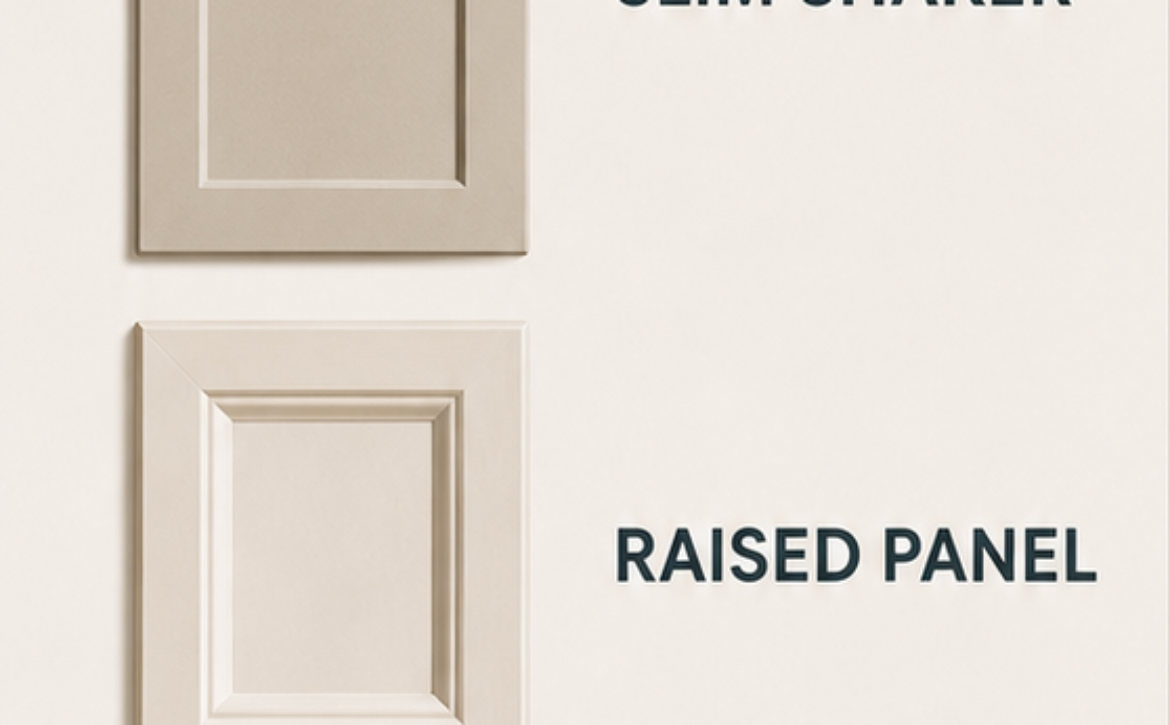
Shaker, Slim Shaker, Raised Panel, Slab, or Beaded Inset: compare Kitchenique’s cabinet door styles to find the right fit for your kitchen or bathroom.
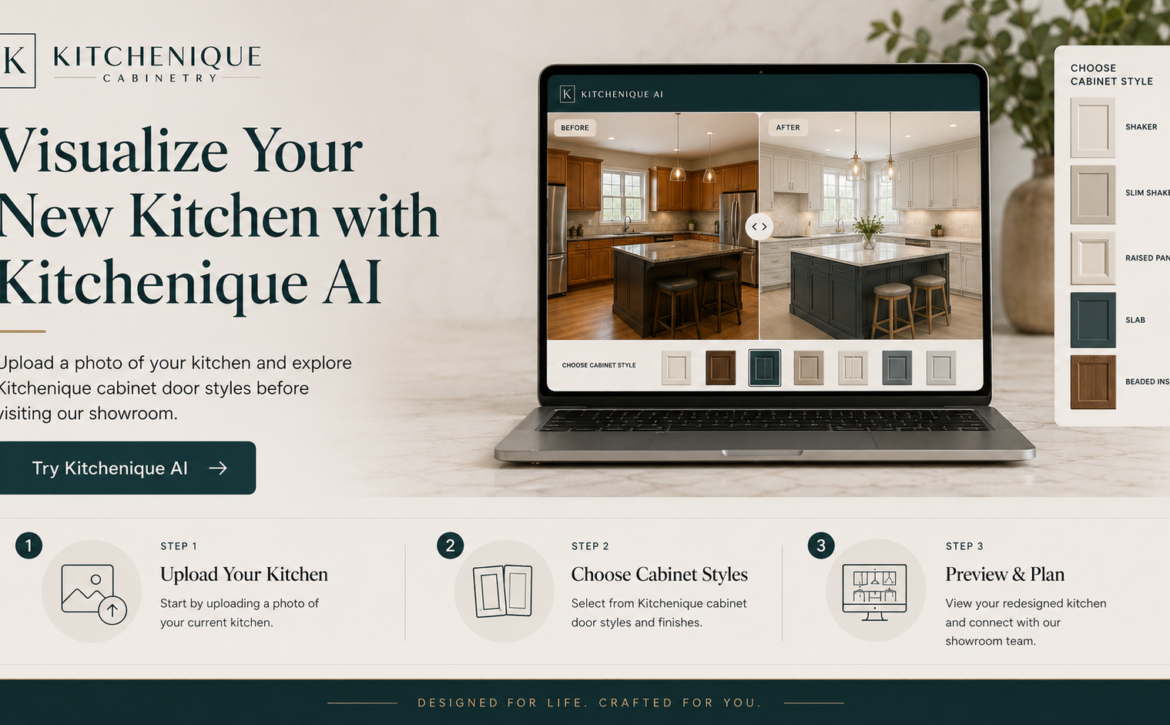
Upload a photo of your kitchen and preview cabinet styles and countertops with Kitchenique AI, then bring the concept to life with our CT designers.
Cabinet design decisions are easy to get wrong and expensive to reverse. Two kitchens can photograph identically and be a decade apart in how long they last. Appearance is what sells cabinetry; construction is what you live with. Balancing them is mostly a question of knowing which decisions are reversible.
Hardware can be changed in an afternoon. Paint colour can be changed, at a cost. Door style can be changed if the boxes are sound. Box construction, drawer boxes and the finish system cannot be changed at all without replacing the cabinet.
That hierarchy tells you where to put money. Spend on what is permanent, economise on what is not.
Plywood sides and a full back panel keep a cabinet square, which is what keeps doors aligned years later. Dovetailed drawer boxes on full-extension undermount glides survive daily use. A catalysed finish applied to all faces — including the back of the door — resists cleaning products and keeps the door stable through humidity swings.
None of this is visible once the kitchen is installed, which is exactly why it gets cut first.
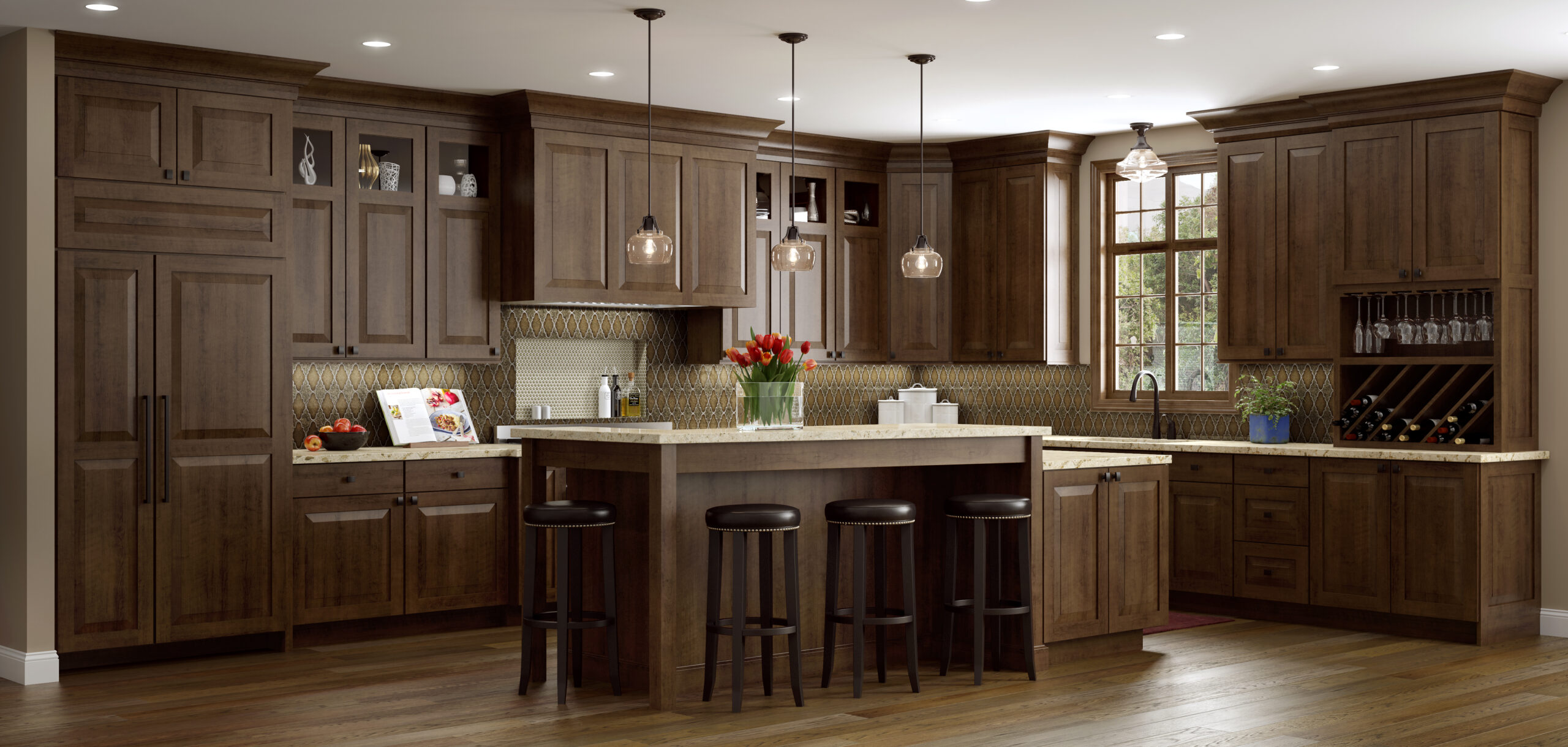
Appearance is not vanity. Door style sets whether cabinetry suits the house, and in an older Connecticut property the difference between a beaded inset door and a contemporary slab is the difference between joinery and fitted units. Finish sheen affects how a room reads under artificial light. These are real decisions, not decoration.
Quality semi-custom cabinetry is where most kitchens land, because it is built to the same standard as custom and differs mainly in sizing flexibility. That frees budget for the storage fittings and the countertop, both of which affect daily use more than a bespoke dimension would.
A door style you like on a poorly built box disappoints within five years. A plain door on a well-built box can be upgraded later.
Three checks settle most of it: pull a drawer fully open and see whether it stays level, look at the back of a door to see whether it is finished, and press on an unsupported shelf. Our Danbury and Waterbury displays are set up so you can do exactly that, across vanities as well as kitchen cabinetry.
Visit Kitchenique Cabinetry in Danbury or Waterbury to explore kitchen cabinets, bathroom vanities, countertops, cabinet styles, finishes, and design options for your home.
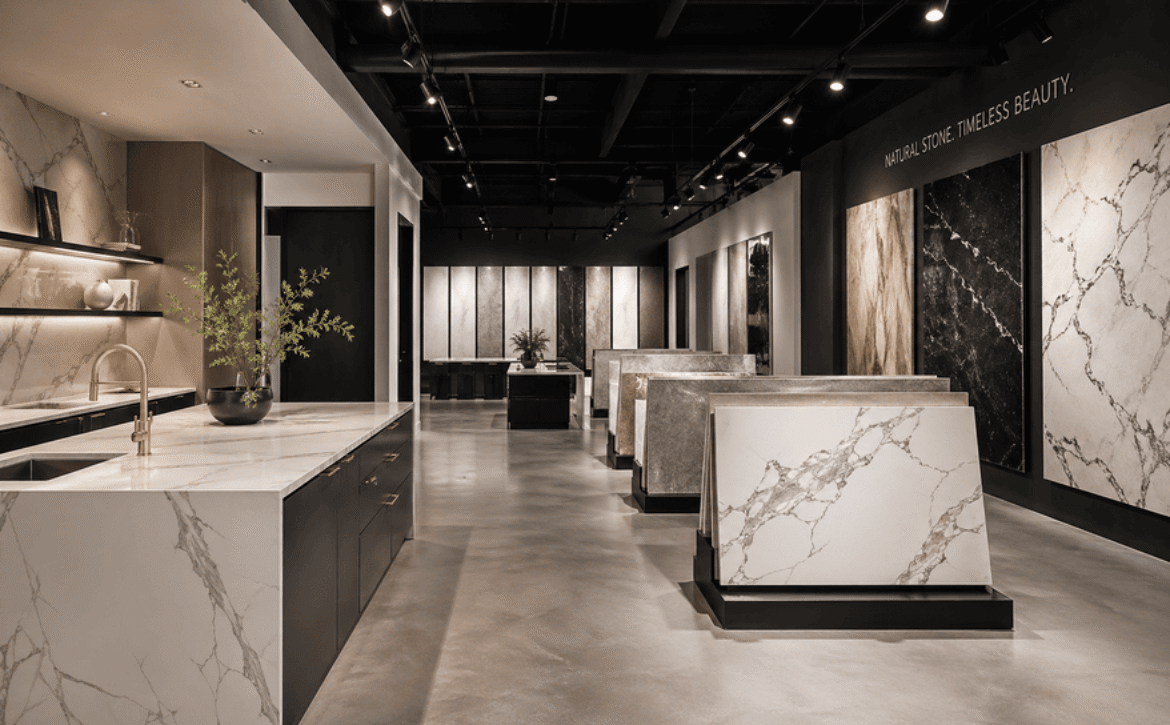
Cabinet design decisions are easy to get wrong and expensive to reverse. The questions below are the ones that surface problems early. Ask them before you sign anything, and pay as much attention to how readily they are answered as to the answers themselves.
The single most useful question. A final measure should happen after demolition where possible, and before the order is placed. If a contractor orders from your measurements, the risk of a wrong-size cabinet has quietly become yours.
Ask specifically whether it includes removal and disposal of the old cabinets, filler and scribe pieces, toe kick, crown, hardware, and adjustment after installation. These are the common exclusions, and they are the ones that appear later as extras.
Cabinet manufacture typically runs weeks, and countertop templating cannot begin until the cabinets are set. Ask for both figures and how they sequence. A kitchen is unusable in the gap, and an unclear answer here is where most schedule overruns originate.

Plywood or particleboard sides, full back panel or thin panel, dovetailed drawer boxes or stapled, and what the finish process involves. A contractor who cannot answer this quickly is reselling rather than specifying.
Damage in transit is normal rather than exceptional. What matters is who reorders, who pays, and what it does to the schedule. Get the answer before you need it.
Ask whether the installers are employees or subcontracted, and who you call when something needs a decision. A named contact for the duration is worth more than it sounds.
You should see an elevation and a plan, not just a quote. This is your last chance to catch a dishwasher door that blocks the walkway or a corner nothing comes out of.
A good contractor will tell you where not to spend. If every recommendation is the most expensive option, you are getting a quote rather than advice.
We work through these daily at our Danbury and Waterbury showrooms, and we would rather answer them early than discover a mismatch at installation. You can compare cabinet ranges and countertops in the same visit.
Visit Kitchenique Cabinetry in Danbury or Waterbury to explore kitchen cabinets, bathroom vanities, countertops, cabinet styles, finishes, and design options for your home.
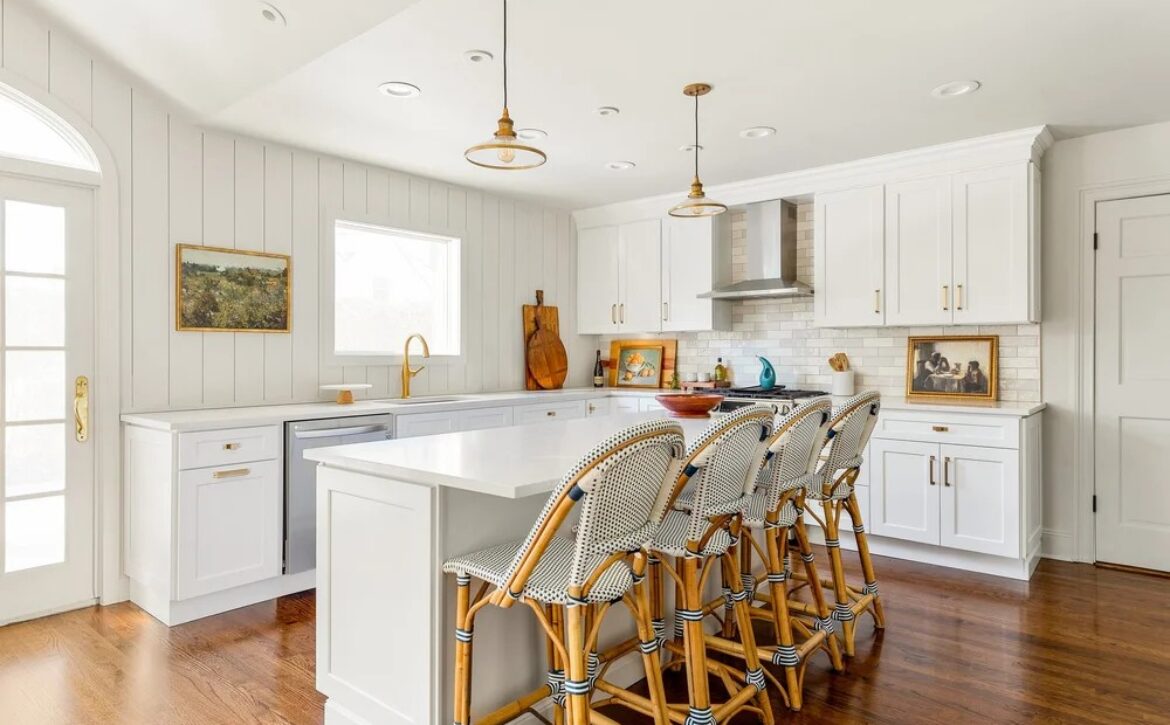
Kitchen cabinet types are specified before style is ever discussed. Kitchen cabinetry is specified by type before it is chosen by style. Understanding the five categories — and what each is genuinely good at — makes every later conversation shorter.
Everything below the countertop. The important decision here is doors versus drawers, and drawers win in almost every case. A base cabinet with a fixed shelf wastes its back half because nobody reaches past what they can see. A drawer brings the full depth to you.
Reserve doors for under the sink, where plumbing dictates, and for cabinets housing something genuinely tall.
Everything above. The decision that matters is height. Stopping wall cabinets below the ceiling to leave a soffit or a dust shelf costs a foot of storage across every wall. Taking them to the ceiling recovers it and makes the room read taller.
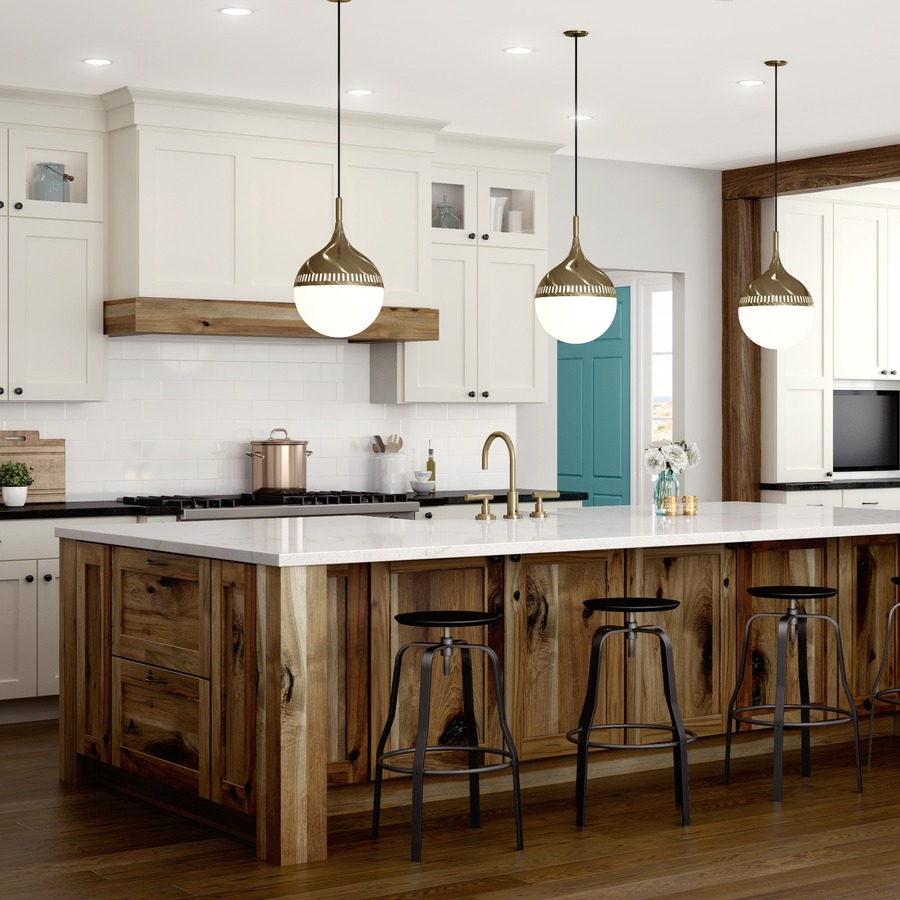
Pantry units, oven housings and broom cupboards. These do more for weekly life than an equivalent run of base and wall cabinets, particularly for households that shop in volume. They also break up a long run visually, which stops a large kitchen looking like a corridor.
Worth treating as their own category because the internal configuration matters as much as the box. A three-drawer bank, a pan drawer with an inner tray, or a deep pair with dividers are different tools. Specify by what goes in them rather than by dimension.
Blind corner pull-outs, tray dividers above the fridge, pull-out bin units and appliance garages. These are the fittings that decide whether a kitchen feels organised, and they are far cheaper specified at order stage than retrofitted.
Specify interiors at the same time as boxes. Retrofitting storage fittings later costs several times more than including them.
These are hard to judge from a catalogue. Our Danbury and Waterbury displays have storage fittings installed so you can operate them, which settles most of these questions in a few minutes. Browse the full cabinet range first if you want a starting point.
Visit Kitchenique Cabinetry in Danbury or Waterbury to explore kitchen cabinets, bathroom vanities, countertops, cabinet styles, finishes, and design options for your home.
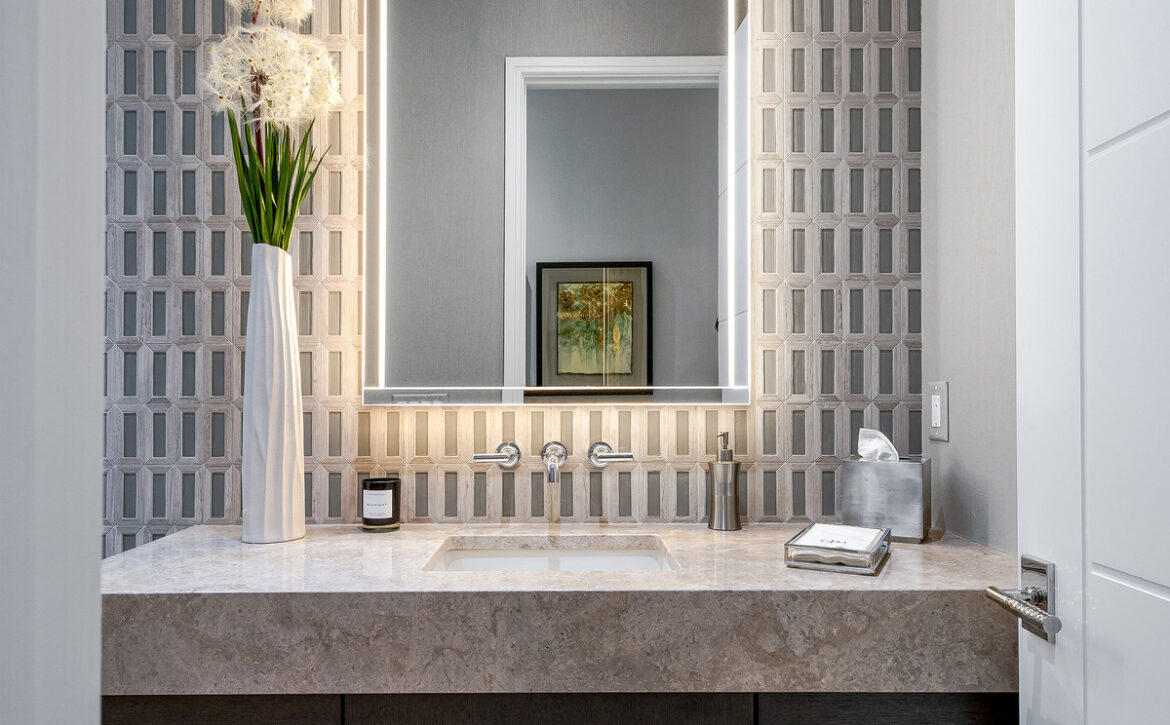
Cabinet design decisions are easy to get wrong and expensive to reverse. Not every improvement needs a full renovation. These eight run from an afternoon to a weekend, and each one changes how a kitchen or bathroom feels out of proportion to what it costs.
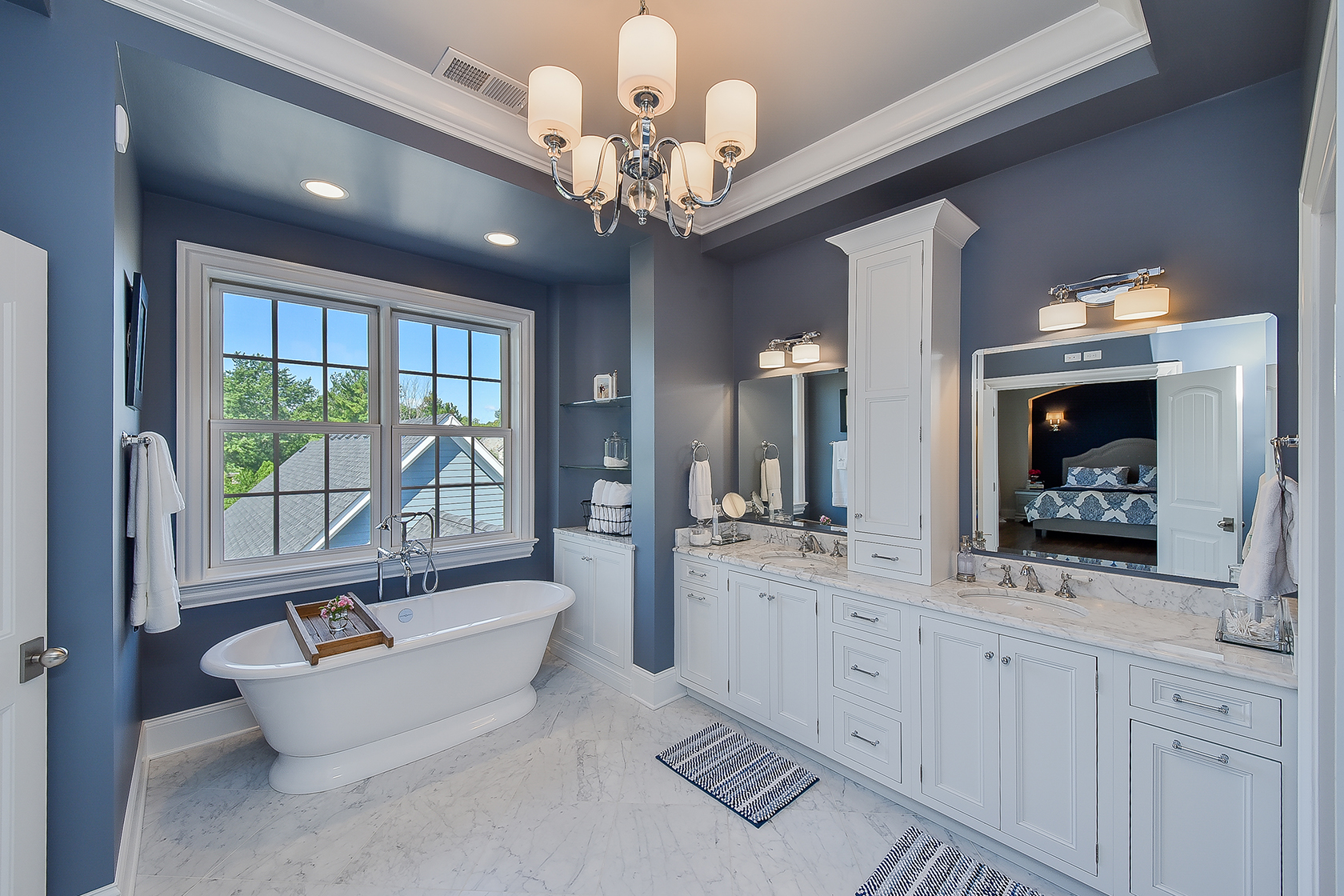
If you do only one thing in each room: new hardware in the kitchen, better lighting in the bathroom.
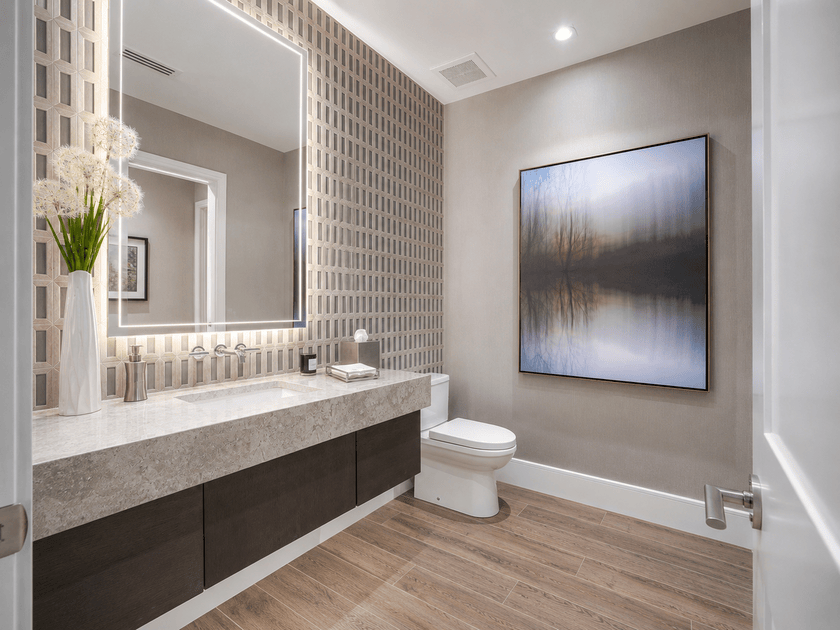
Several of these interact — hardware finish, countertop and cabinet colour all have to agree. Comparing them in one visit to our Danbury or Waterbury showroom is faster than resolving a mismatch afterwards.
Visit Kitchenique Cabinetry in Danbury or Waterbury to explore kitchen cabinets, bathroom vanities, countertops, cabinet styles, finishes, and design options for your home.
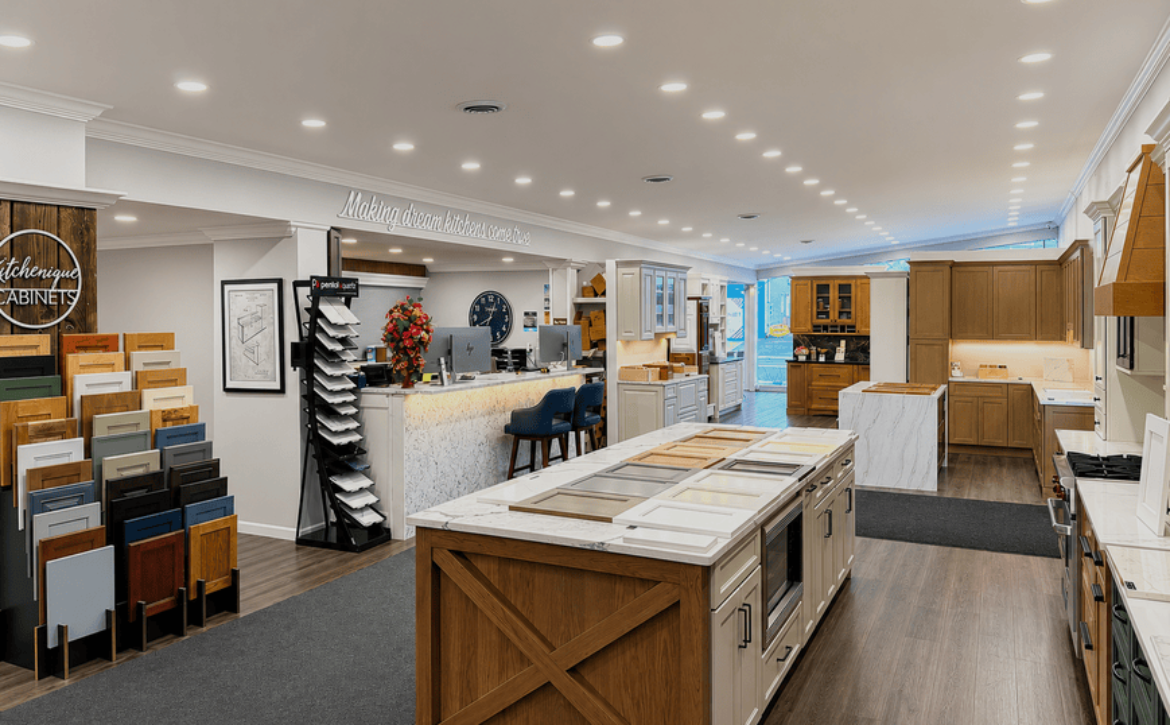
Cabinet design decisions are easy to get wrong and expensive to reverse. Most cabinet companies show you the same catalogues. What separates them is what happens between the catalogue and the finished kitchen — measuring, planning, ordering, and what they do when something arrives wrong.
A showroom with full-height displays and working storage fittings tells you more in twenty minutes than weeks of browsing. Look for whether you can open drawers, handle hardware, and put a countertop sample against a door rather than being shown a board of chips.
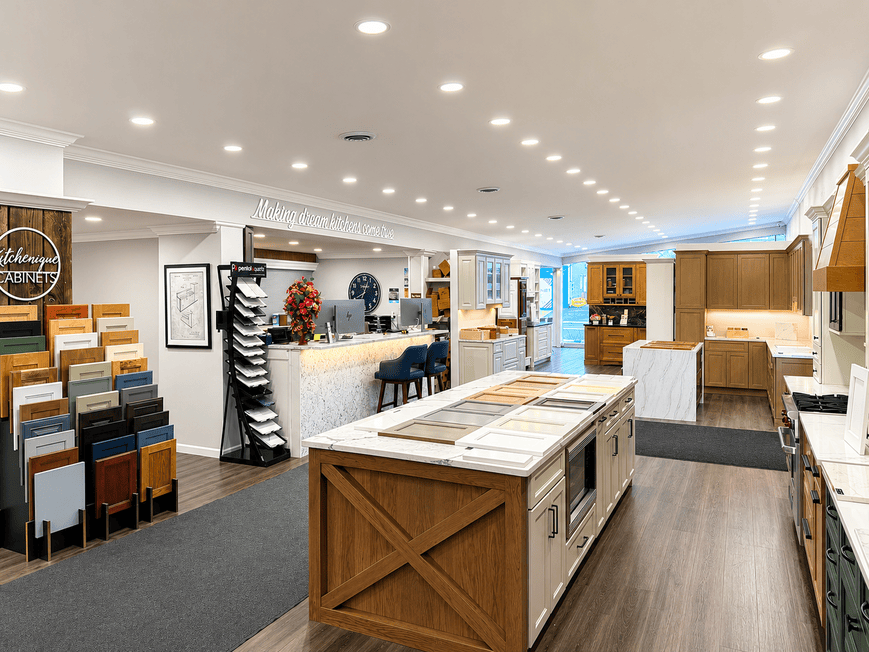
This is the question that separates companies. Ask whether a final measure happens before the order is placed and who is accountable if the dimensions are wrong. In older Connecticut houses, walls that are out of square across a run are normal rather than exceptional, and a company that orders from your own measurements is transferring that risk to you.
A company tied to a single manufacturer will fit your kitchen to what they sell. Multiple lines across custom and semi-custom means the recommendation can follow the room and the budget instead of the inventory.
Kitchens rarely stop at cabinets. A company that also supplies countertops and bathroom vanities lets you coordinate finishes in one sitting rather than matching across suppliers months apart — which is where most mismatches originate.
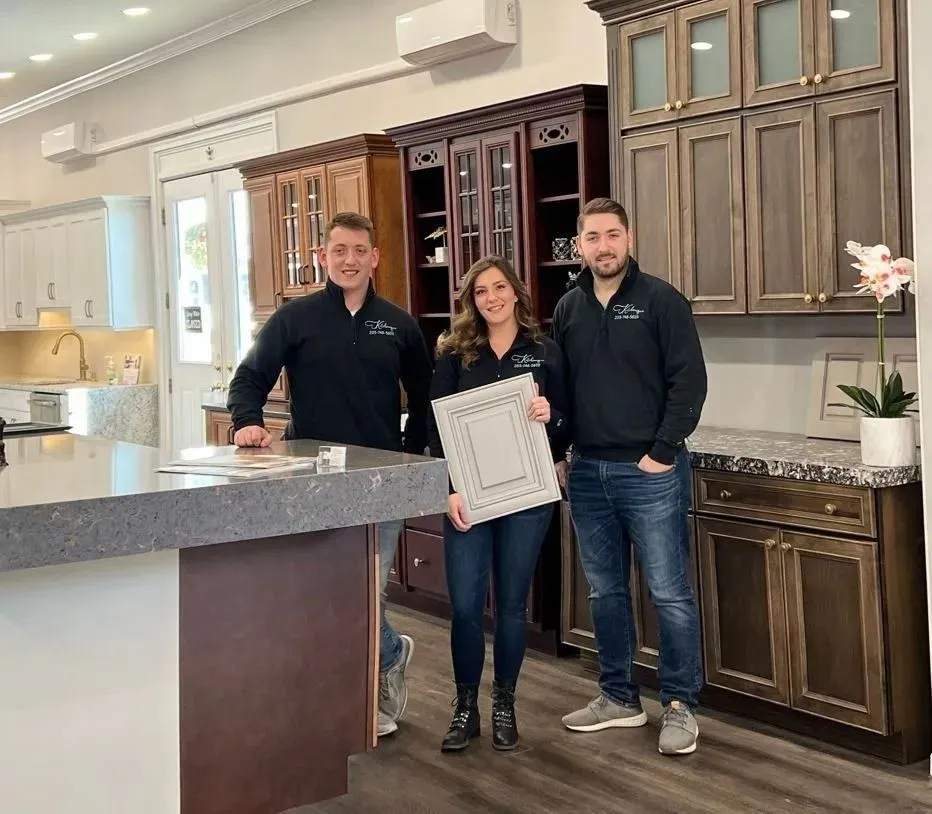
A good sign is being told where not to spend. Anyone who recommends full custom for a square room with standard dimensions is selling rather than advising. The right answer is often quality semi-custom with the saving redirected into storage fittings or a better countertop.
Ask what they would cut if the budget dropped fifteen percent. The answer tells you whether you are getting advice or a quote.
Regional housing stock has patterns. Someone who works constantly across the Naugatuck Valley and western Connecticut knows what a 1920s two-family kitchen usually needs. We work across the towns on our serving areas page, from our Danbury and Waterbury showrooms.
Visit Kitchenique Cabinetry in Danbury or Waterbury to explore kitchen cabinets, bathroom vanities, countertops, cabinet styles, finishes, and design options for your home.
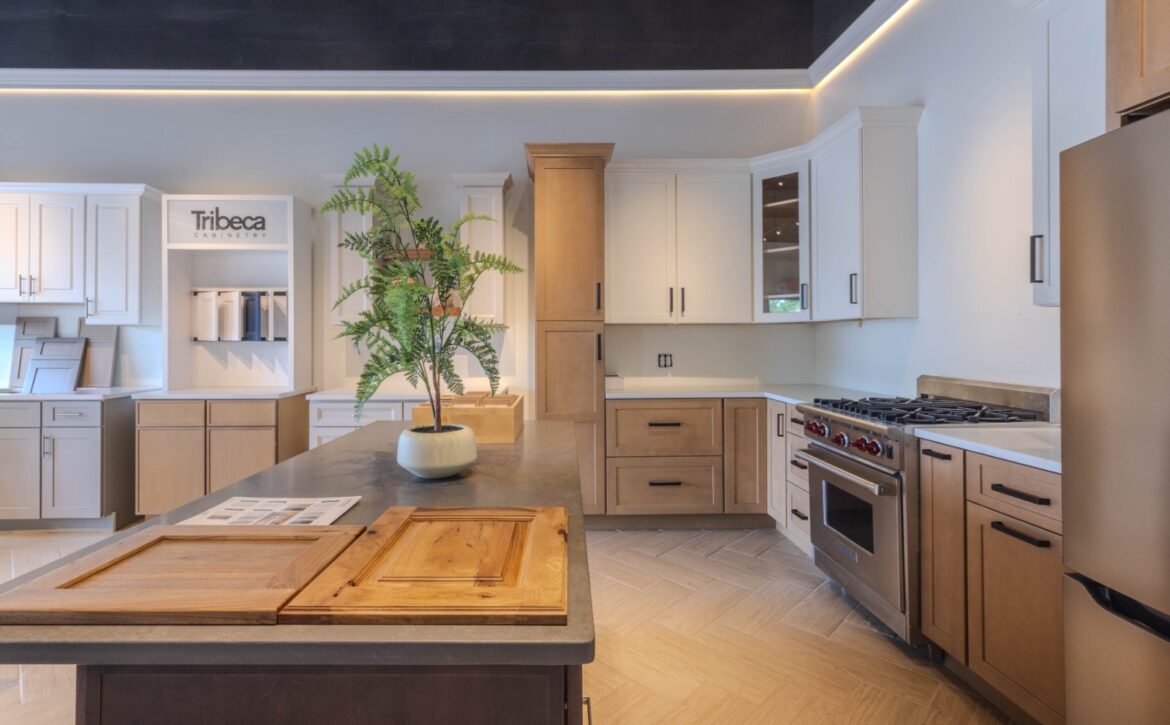
Cabinet design decisions are easy to get wrong and expensive to reverse. Wood came back into kitchens after a long stretch of painted white, and it returned in a different form than the honey oak most people remember. Three directions have held up well enough to be worth understanding.
The oak revival is not the oak of the 1990s. Quartersawn and rift-cut boards are milled at an angle that produces a straight, tight grain rather than the wide cathedral arches of plain-sawn stock. The result reads as calm and linear, which is why it sits comfortably in contemporary rooms where the older cut would look busy.
It is also more dimensionally stable, which matters in Connecticut where indoor humidity swings hard between February and August.
The heavy amber varnish that dated older wood kitchens has given way to clear and near-clear finishes that let the timber read as itself. Matte and satin sheens hide fingerprints and daily wear far better than gloss, and they photograph less harshly under the downlights most kitchens use.
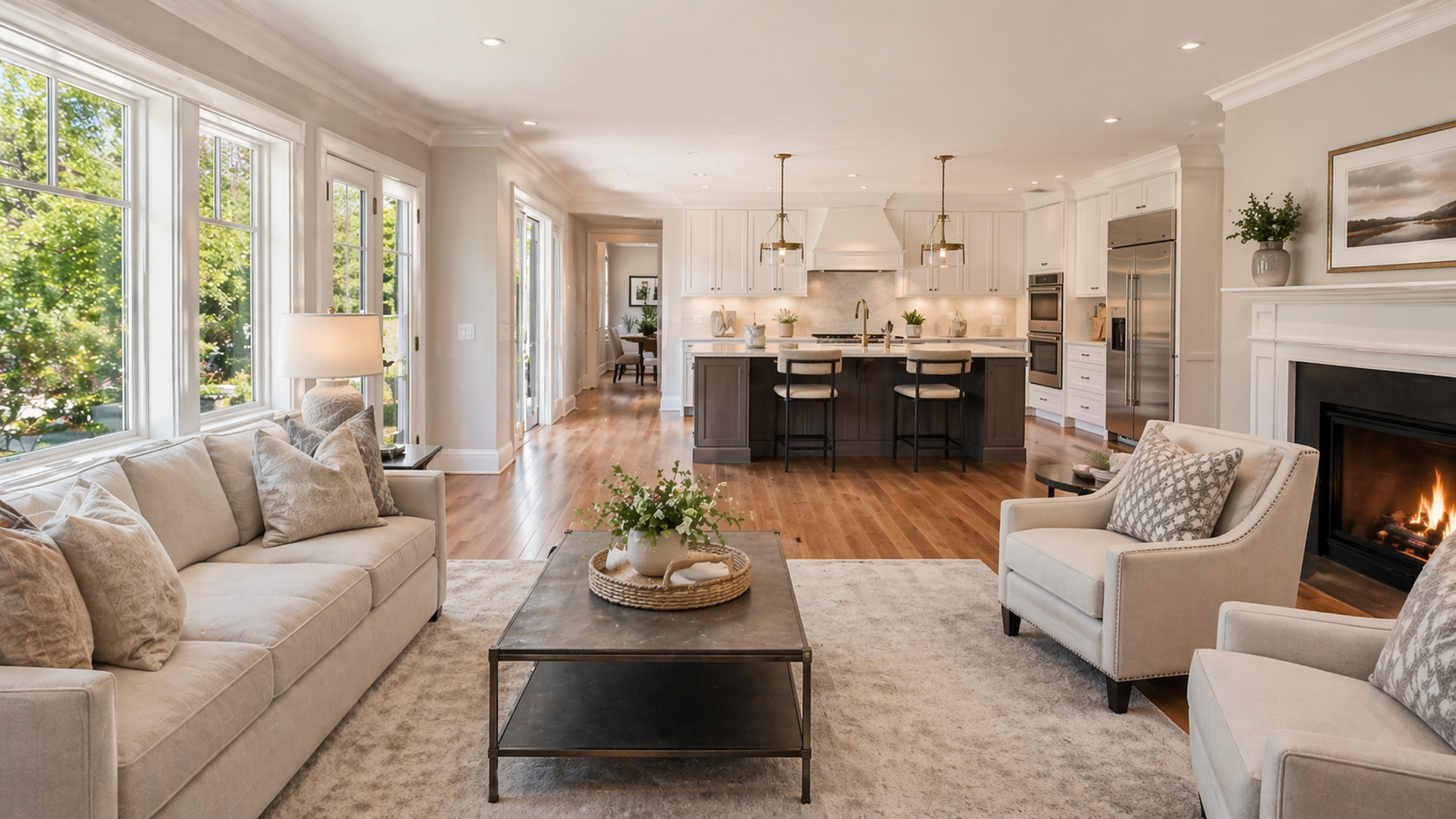
The most durable of the three, because it hedges. A painted perimeter with a wood island, or wood on tall units against painted bases, gives warmth without committing the whole room to one material. It also ages better — if the painted colour eventually dates, the wood element still anchors the room.
Wood tone is the hardest thing to judge from a photograph. Screens shift warmth considerably, and every kitchen light source shifts it again.
A trend is worth following when it also solves something. Rift-cut oak is stable as well as calm. Low-sheen finishes hide wear as well as looking current. Mixed materials hedge against a colour dating. Trends that only look different tend to be the ones people regret.
Bring a floor sample and a paint chip when you look at wood doors — our Danbury and Waterbury showrooms let you compare species and sheen side by side, which is the only reliable way to judge tone. You can also see how each pairs with our countertop selections.
Visit Kitchenique Cabinetry in Danbury or Waterbury to explore kitchen cabinets, bathroom vanities, countertops, cabinet styles, finishes, and design options for your home.

Kitchen cabinets do more work than any other element in the room. New cabinets change a kitchen more than new appliances, new flooring or new paint — not because they are more expensive, but because they cover more of what you see and touch. The effect works on several levels at once.
Walk into any kitchen and cabinetry is the largest continuous surface in view, ahead of the floor and well ahead of the countertop. Replacing it resets the character of the room even when the walls, floor and appliances stay put. That is why cabinet work delivers a disproportionate visual return for a contained scope.
Running wall cabinets to the ceiling instead of stopping at a soffit does two things at once: it adds a foot of storage across every wall, and it draws the eye upward so the room reads taller. In the mid-century kitchens common across central Connecticut this single change usually does more than any finish decision.
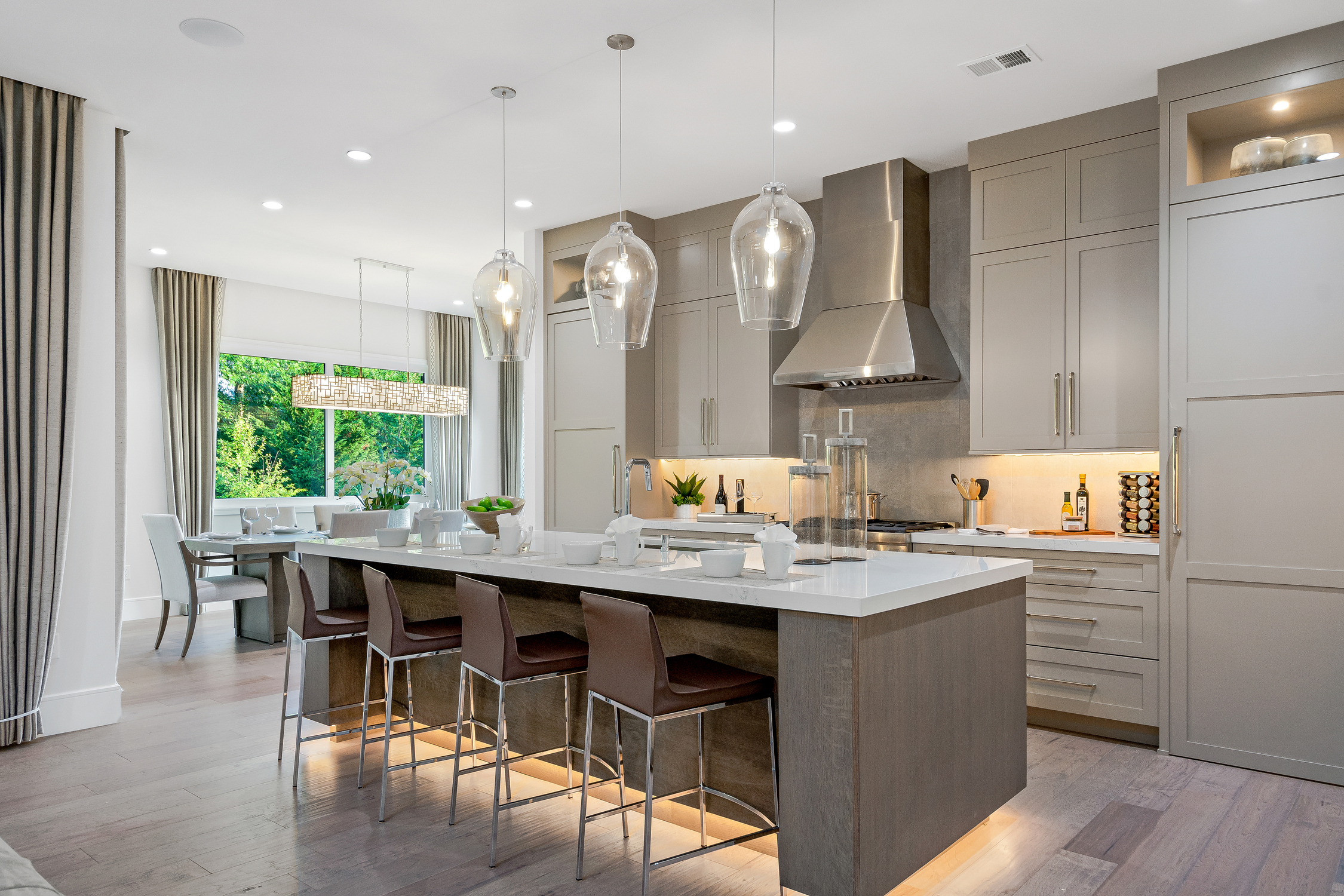
The parts nobody photographs are the parts you notice. Drawers instead of doors at base level, a corner unit that actually gives up its contents, a pantry sized to how you shop, and soft-close hardware that stops the room being noisy.
Cabinet finish is the anchor that countertops, hardware, backsplash and adjoining rooms then relate to. Choosing it first makes every subsequent decision easier, because each one has a fixed reference. Choosing it last is how houses end up with finishes that each looked right alone.
Set the cabinet finish first, then choose everything else against a physical door sample. It is the cheapest way to avoid the most common regret.
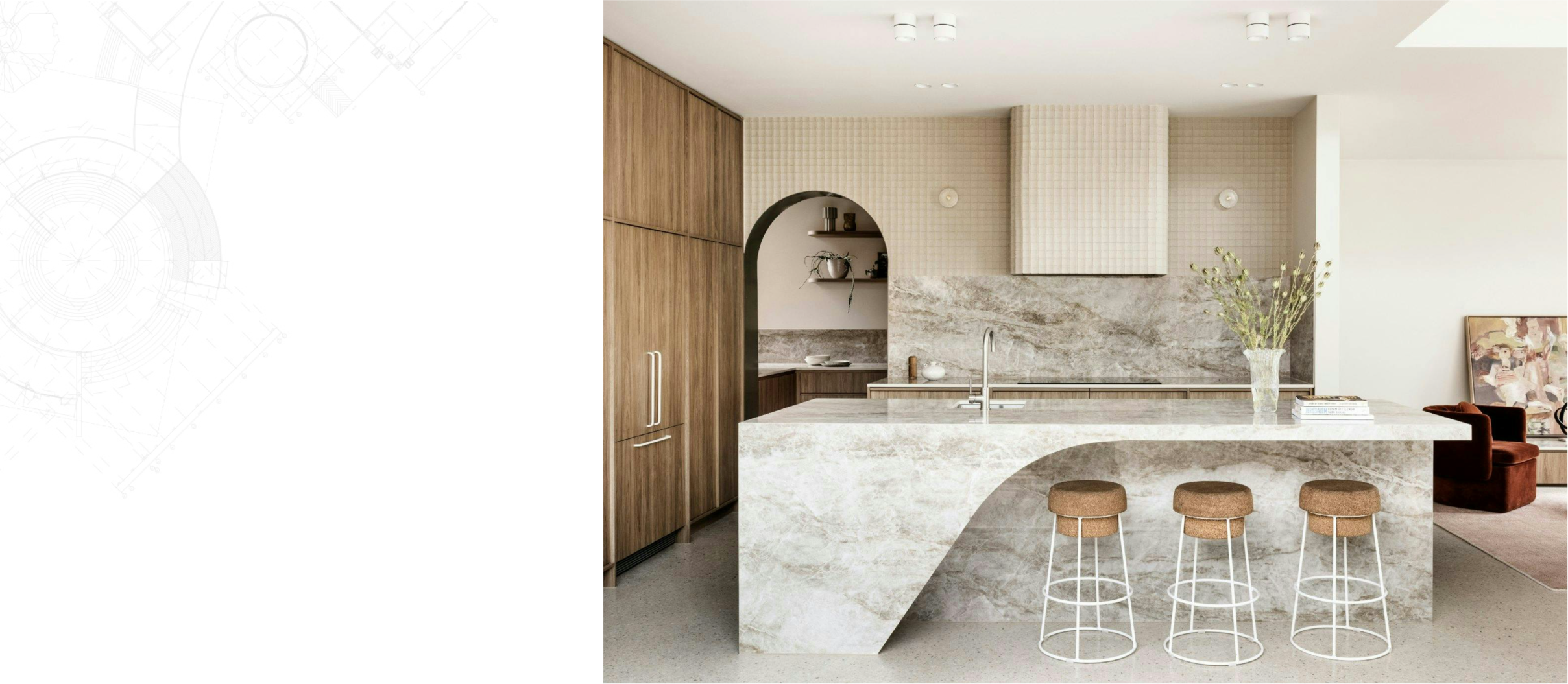
Most kitchens are well served by semi-custom cabinetry, which offers the same construction quality with sizing in one-inch increments. Custom earns its place where the room is genuinely irregular. Our Danbury and Waterbury displays let you compare both at full size.
Visit Kitchenique Cabinetry in Danbury or Waterbury to explore kitchen cabinets, bathroom vanities, countertops, cabinet styles, finishes, and design options for your home.
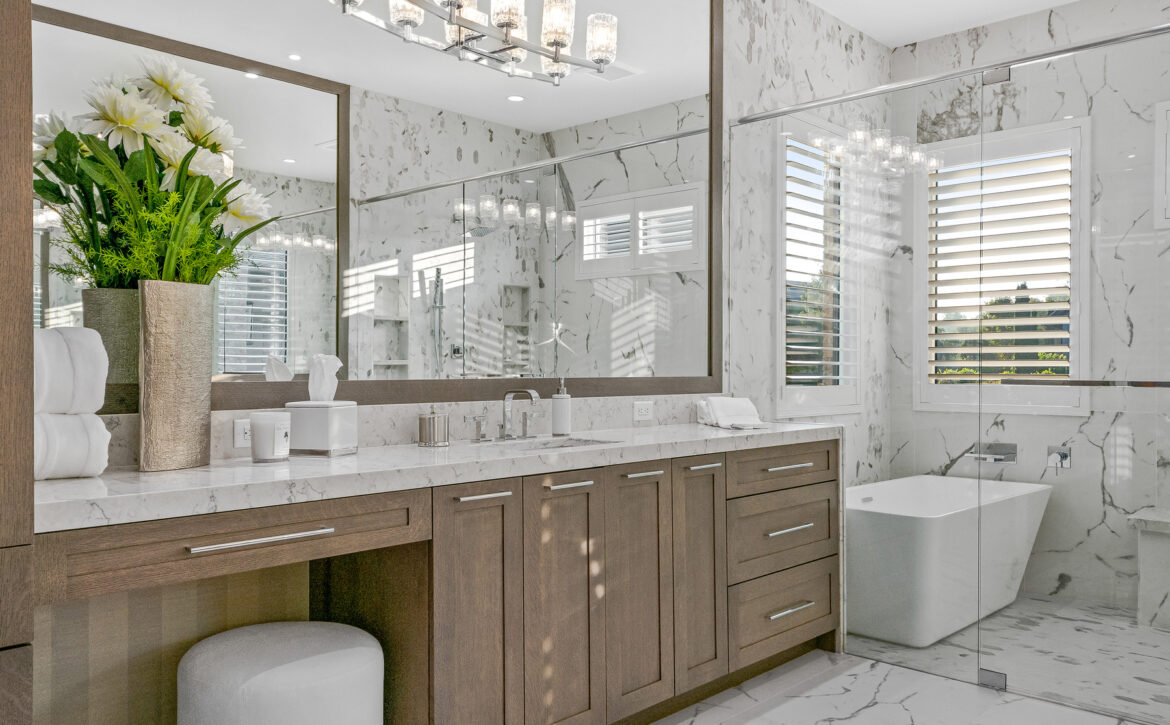
Bathroom cabinets are chosen under tighter constraints than any other cabinetry in the house. Bathroom cabinetry is chosen under more constraints than kitchen cabinetry and with less room for error. The decisions below are roughly in the order they should be made — getting them out of sequence is what causes most of the rework.
Before any size question, map what opens into the room: the door, the shower screen, the drawers themselves. In a small bathroom these collide, and the vanity is usually blamed for a problem the door created. Measure the arc of the door on the floor and work inside what is left.
A wider vanity is not automatically better. A 30-inch cabinet with two working drawers will hold more usable storage than a 36-inch cabinet with a single door and a shelf, because drawers make the full depth reachable.
Where floor area is tight, reduced-depth and wall-hung options recover the visual floor that makes a small room feel workable. Where there is space, a double drawer bank flanking a single sink usually beats two sinks people rarely use simultaneously.
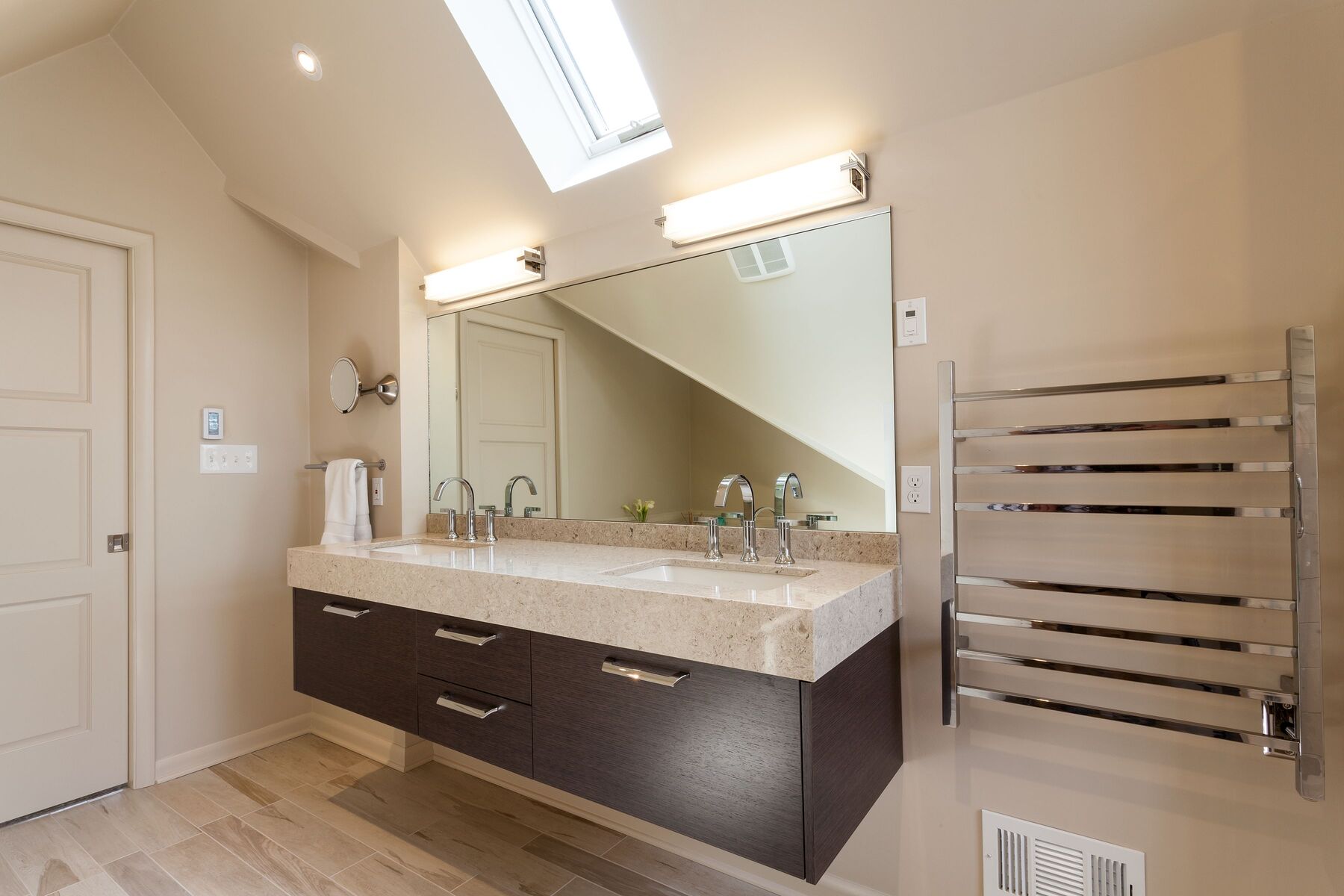
Bathrooms cycle between dry and saturated daily. Plywood boxes with sealed edges tolerate that; particleboard swells at any exposed seam, which is why cheaper vanity doors go furry along the bottom edge. This matters more than the colour and is harder to change later.
Vanity tops and cabinet finishes should be chosen together, with the actual door sample in hand. Undertone mismatches are invisible in isolation and obvious once installed. Our countertop selections can be compared directly against vanity finishes in the showroom.
If you are updating the kitchen in the same project, bring that door sample too. Coordinating across rooms is what makes a renovation read as one piece of work.
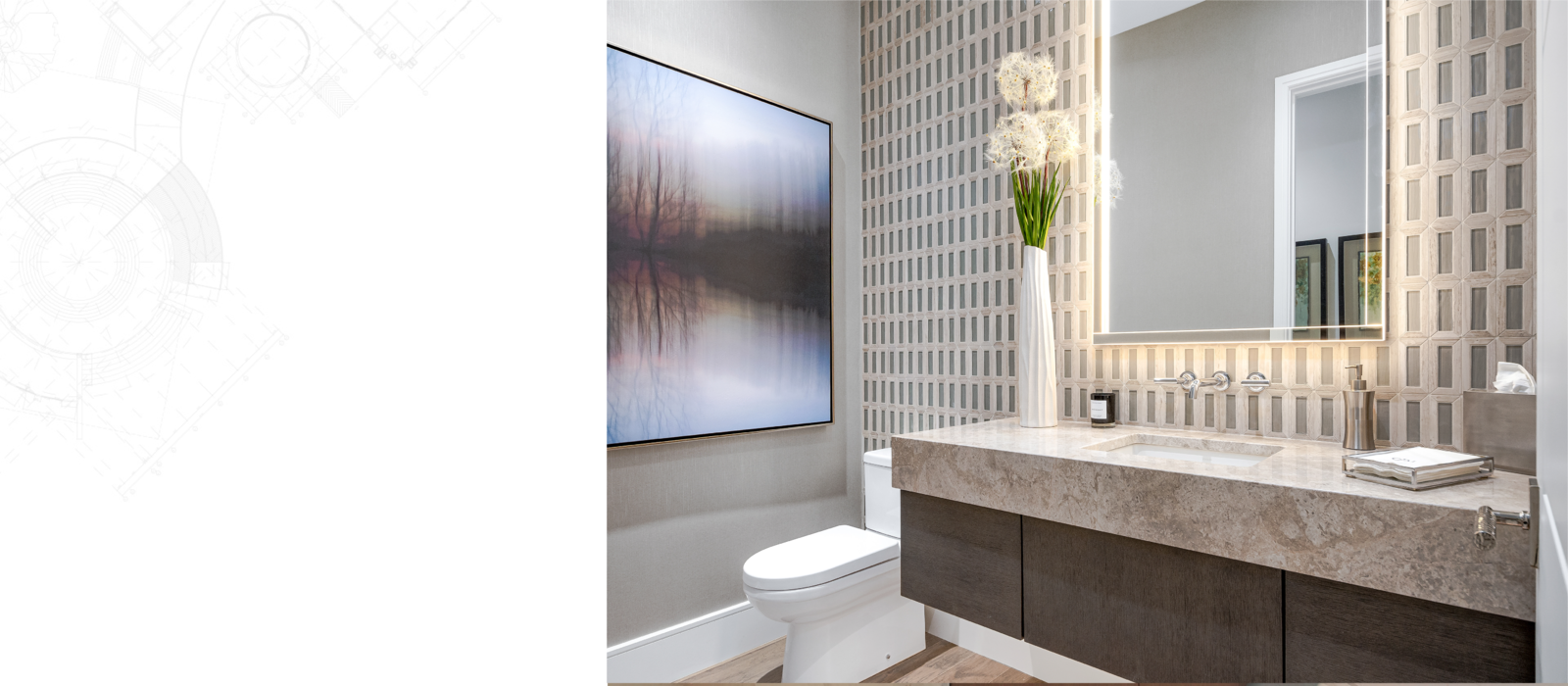
Style is the easiest decision and the one most people start with. Leaving it until the constraints are settled means you are choosing from options that will actually work, rather than falling for a piece that cannot fit.
See vanity construction in person at our Danbury and Waterbury displays — opening a drawer tells you more than a specification sheet.
Visit Kitchenique Cabinetry in Danbury or Waterbury to explore kitchen cabinets, bathroom vanities, countertops, cabinet styles, finishes, and design options for your home.