Shaker, Slim Shaker, Raised Panel, Slab, or Beaded Inset: How to Choose a Cabinet Door Style
Shaker, Slim Shaker, Raised Panel, Slab, or Beaded Inset: compare Kitchenique’s cabinet door styles to find the right fit for your kitchen or bathroom.



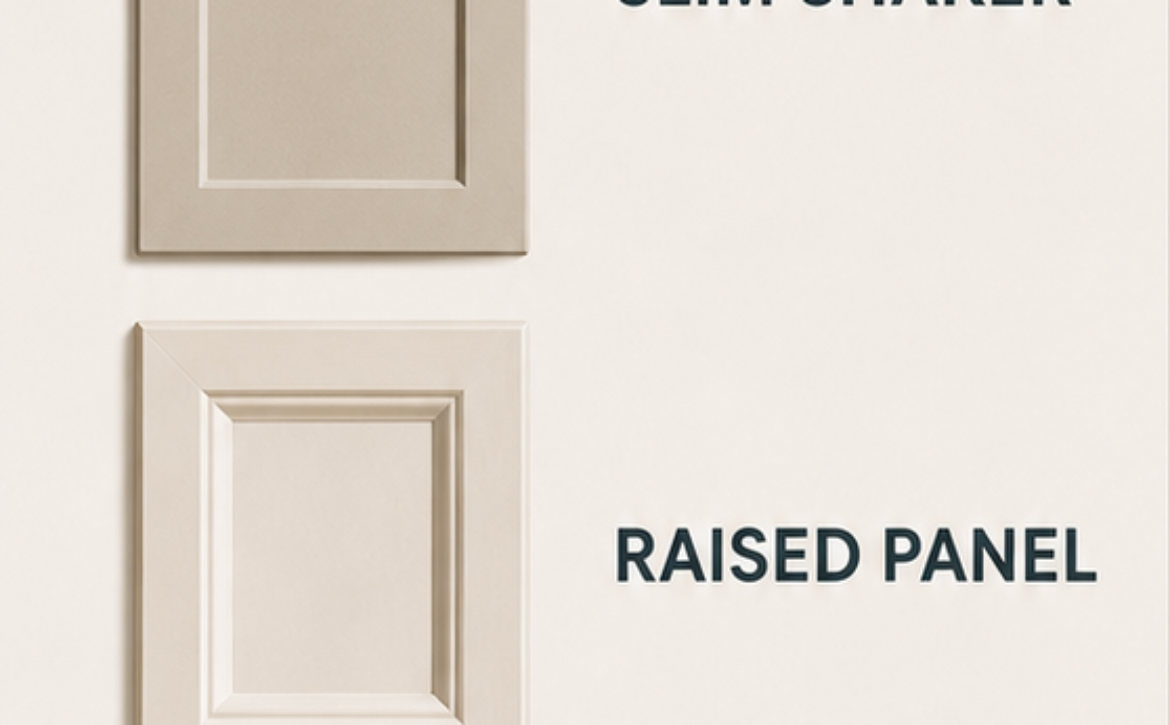
Shaker, Slim Shaker, Raised Panel, Slab, or Beaded Inset: compare Kitchenique’s cabinet door styles to find the right fit for your kitchen or bathroom.
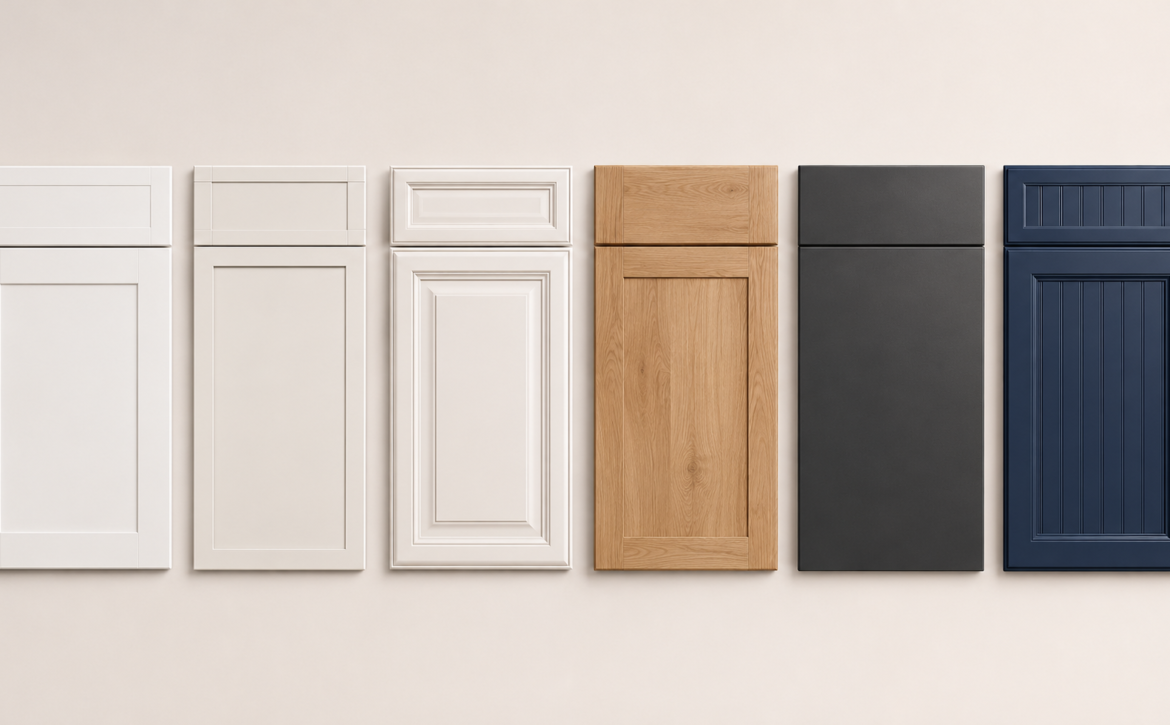
Cabinet design decisions are easy to get wrong and expensive to reverse. Two kitchens can photograph identically and be a decade apart in how long they last. Appearance is what sells cabinetry; construction is what you live with. Balancing them is mostly a question of knowing which decisions are reversible.
Hardware can be changed in an afternoon. Paint colour can be changed, at a cost. Door style can be changed if the boxes are sound. Box construction, drawer boxes and the finish system cannot be changed at all without replacing the cabinet.
That hierarchy tells you where to put money. Spend on what is permanent, economise on what is not.
Plywood sides and a full back panel keep a cabinet square, which is what keeps doors aligned years later. Dovetailed drawer boxes on full-extension undermount glides survive daily use. A catalysed finish applied to all faces — including the back of the door — resists cleaning products and keeps the door stable through humidity swings.
None of this is visible once the kitchen is installed, which is exactly why it gets cut first.
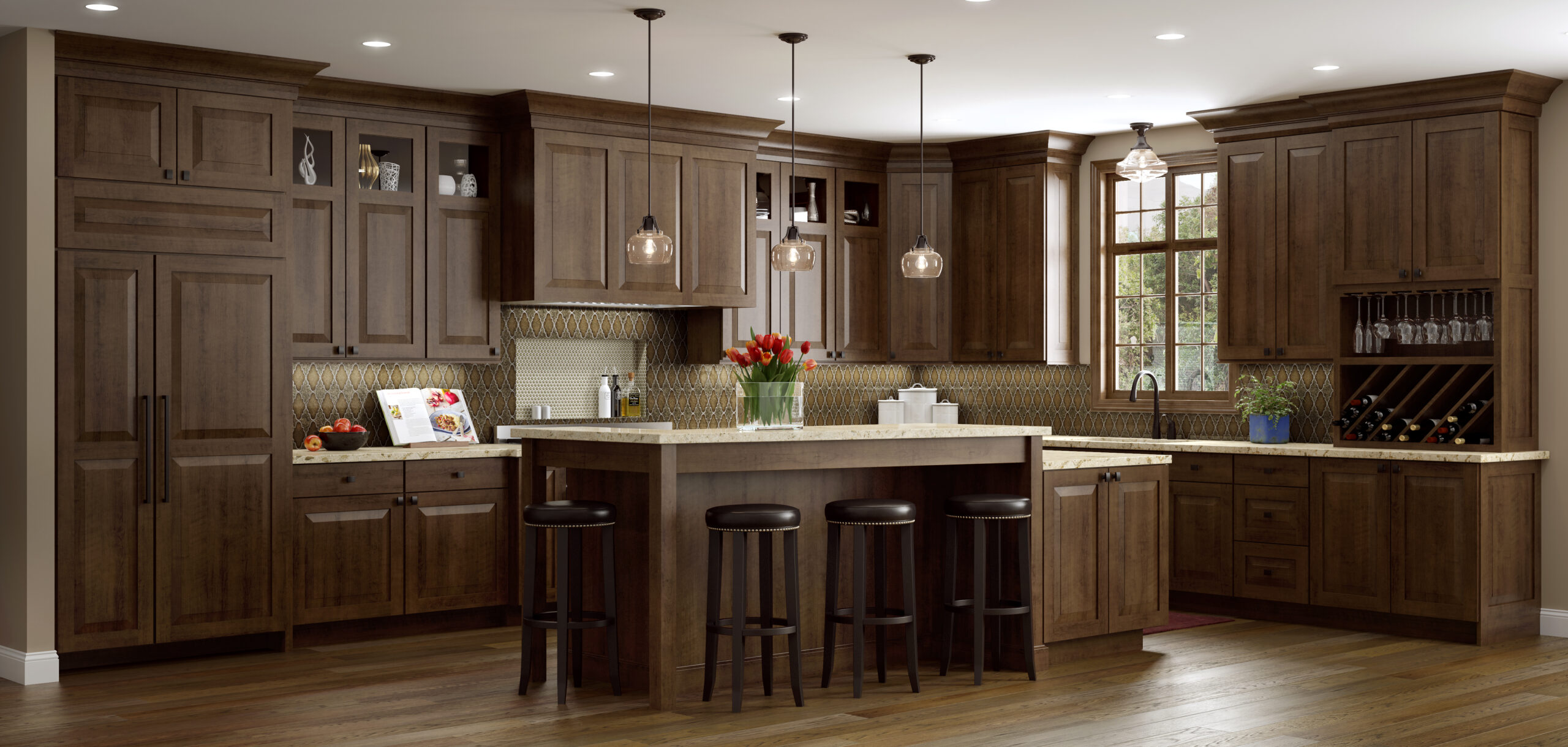
Appearance is not vanity. Door style sets whether cabinetry suits the house, and in an older Connecticut property the difference between a beaded inset door and a contemporary slab is the difference between joinery and fitted units. Finish sheen affects how a room reads under artificial light. These are real decisions, not decoration.
Quality semi-custom cabinetry is where most kitchens land, because it is built to the same standard as custom and differs mainly in sizing flexibility. That frees budget for the storage fittings and the countertop, both of which affect daily use more than a bespoke dimension would.
A door style you like on a poorly built box disappoints within five years. A plain door on a well-built box can be upgraded later.
Three checks settle most of it: pull a drawer fully open and see whether it stays level, look at the back of a door to see whether it is finished, and press on an unsupported shelf. Our Danbury and Waterbury displays are set up so you can do exactly that, across vanities as well as kitchen cabinetry.
Visit Kitchenique Cabinetry in Danbury or Waterbury to explore kitchen cabinets, bathroom vanities, countertops, cabinet styles, finishes, and design options for your home.
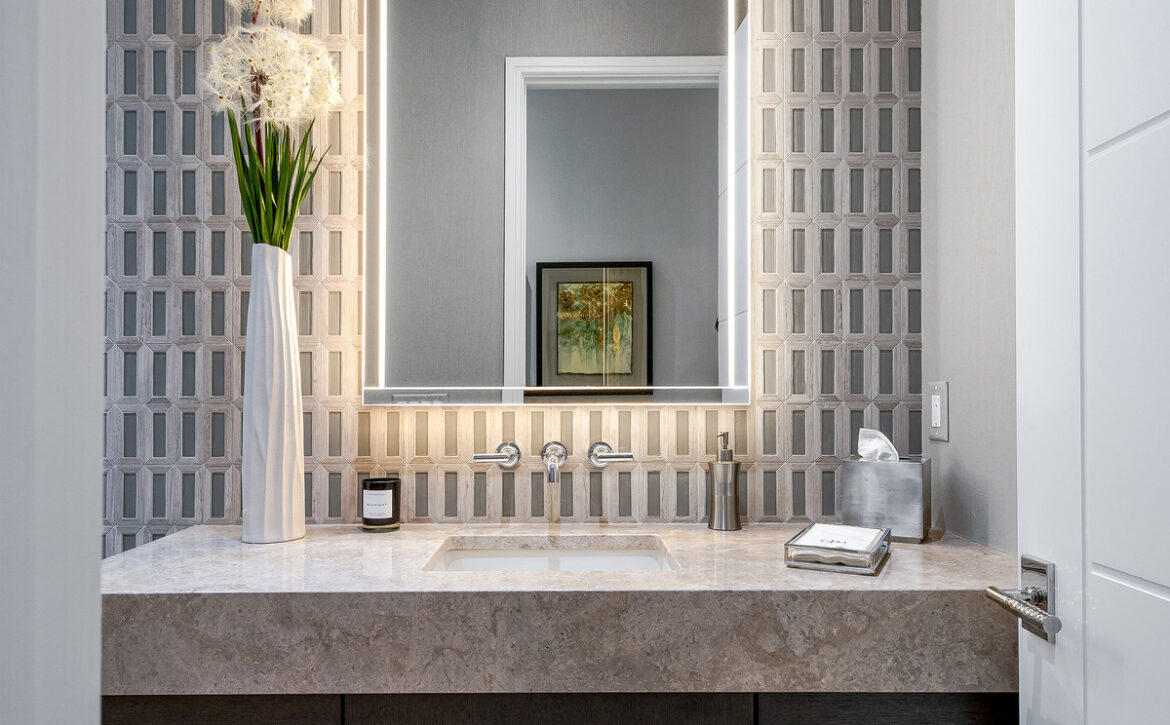
Cabinet design decisions are easy to get wrong and expensive to reverse. Not every improvement needs a full renovation. These eight run from an afternoon to a weekend, and each one changes how a kitchen or bathroom feels out of proportion to what it costs.
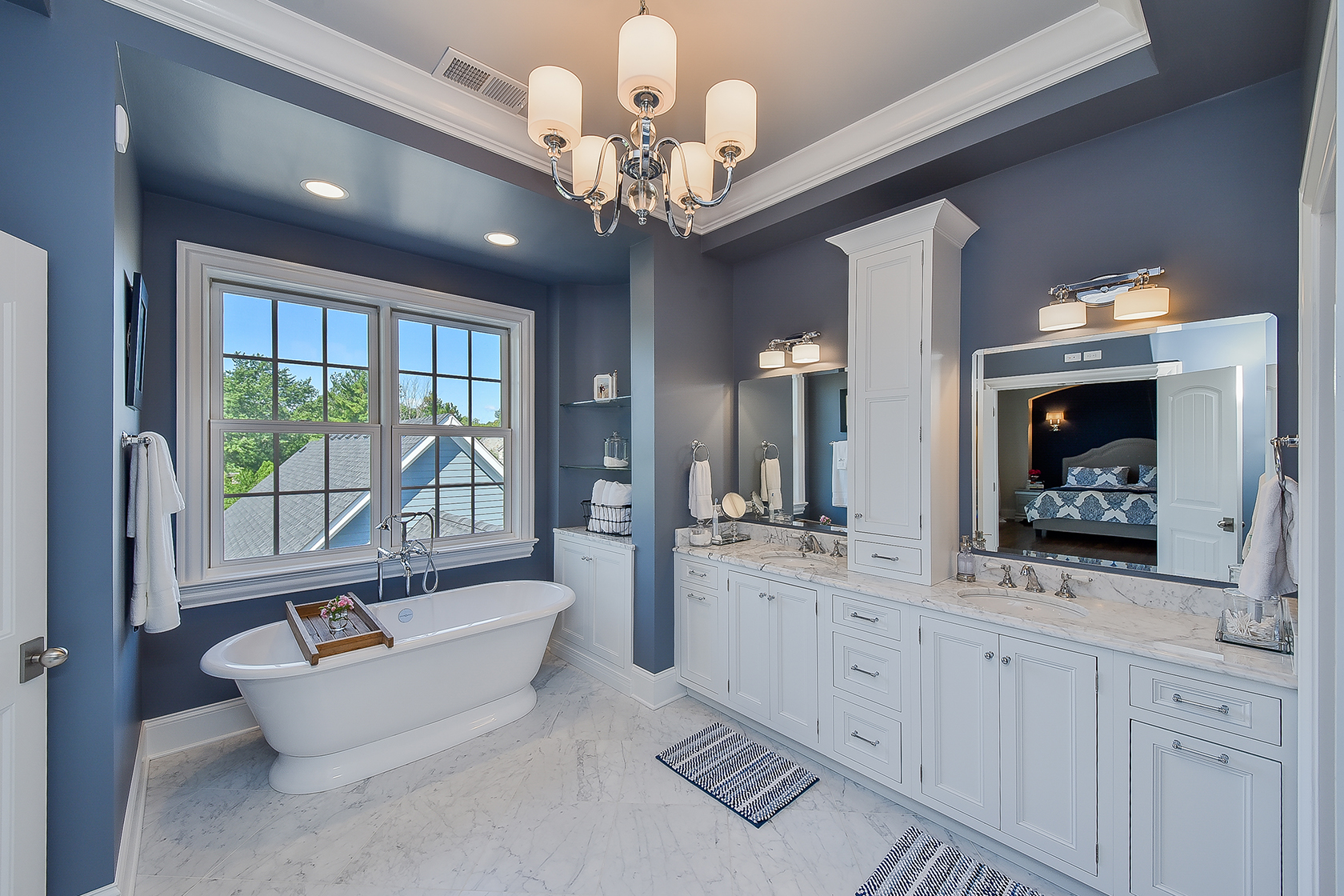
If you do only one thing in each room: new hardware in the kitchen, better lighting in the bathroom.
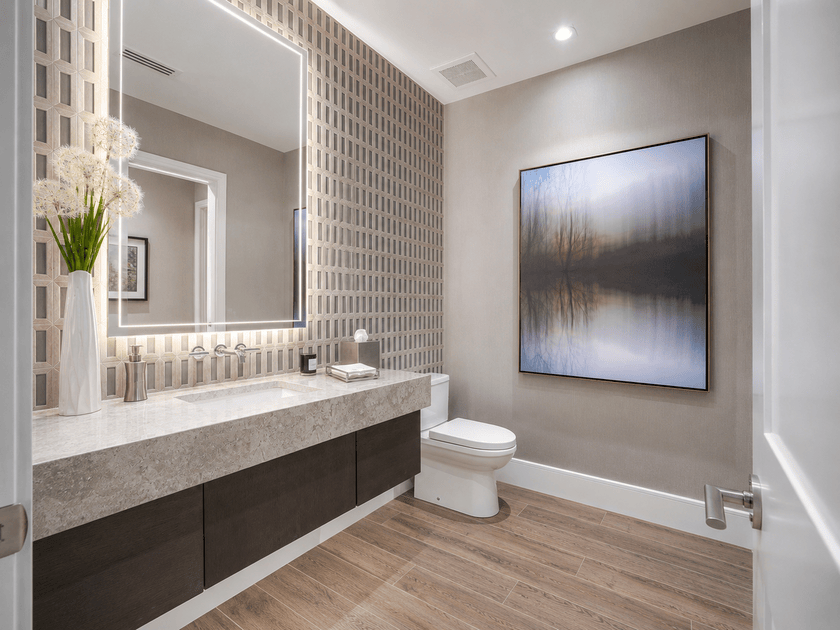
Several of these interact — hardware finish, countertop and cabinet colour all have to agree. Comparing them in one visit to our Danbury or Waterbury showroom is faster than resolving a mismatch afterwards.
Visit Kitchenique Cabinetry in Danbury or Waterbury to explore kitchen cabinets, bathroom vanities, countertops, cabinet styles, finishes, and design options for your home.
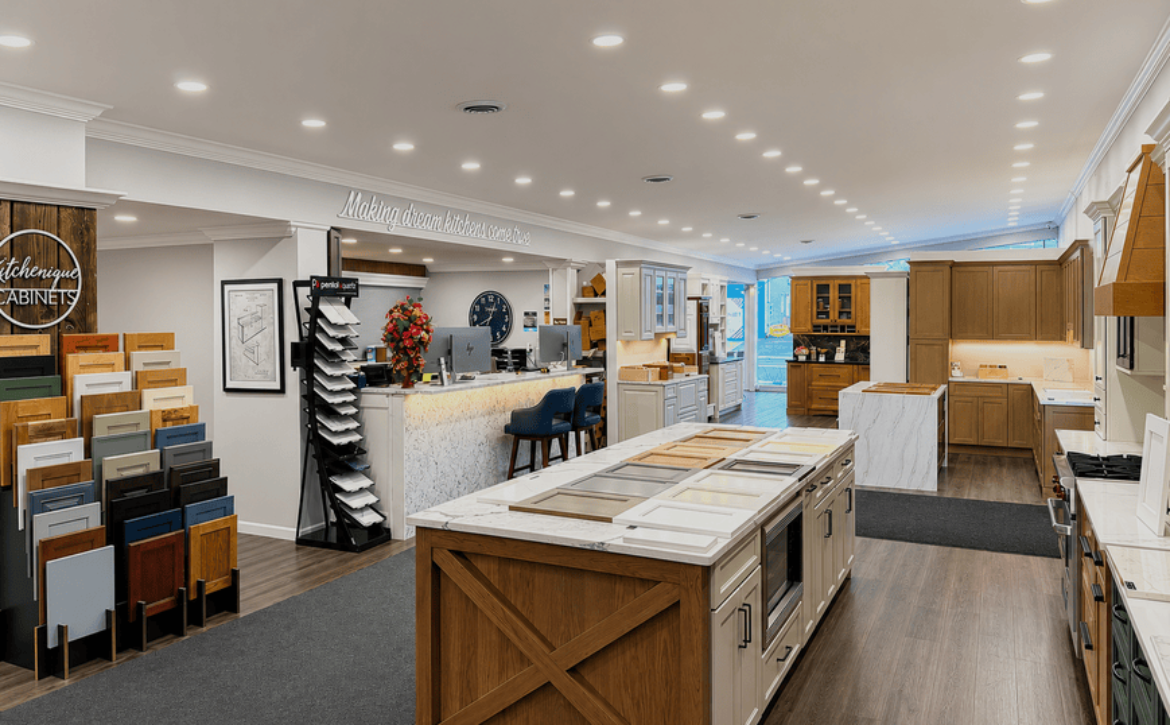
Cabinet design decisions are easy to get wrong and expensive to reverse. Most cabinet companies show you the same catalogues. What separates them is what happens between the catalogue and the finished kitchen — measuring, planning, ordering, and what they do when something arrives wrong.
A showroom with full-height displays and working storage fittings tells you more in twenty minutes than weeks of browsing. Look for whether you can open drawers, handle hardware, and put a countertop sample against a door rather than being shown a board of chips.
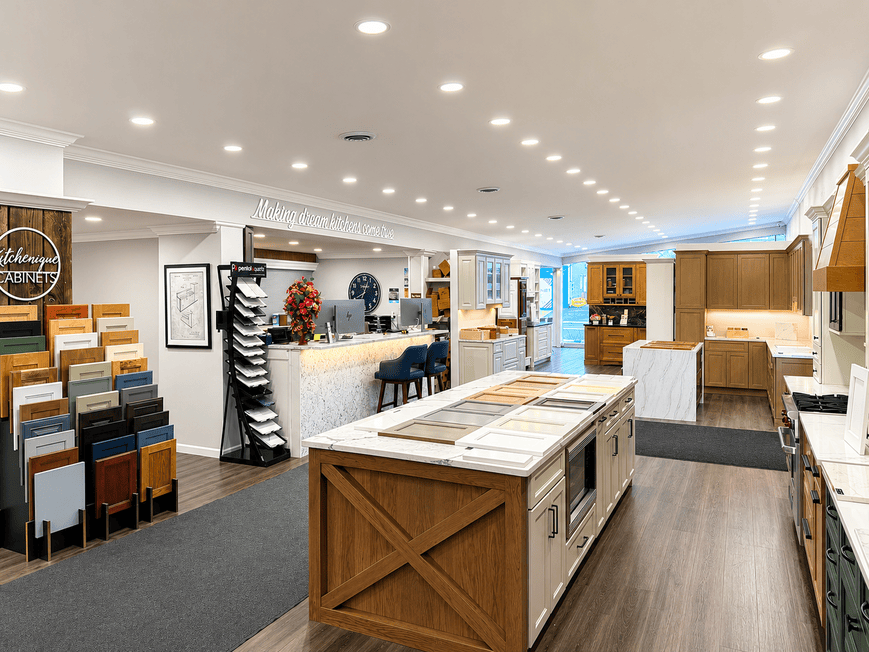
This is the question that separates companies. Ask whether a final measure happens before the order is placed and who is accountable if the dimensions are wrong. In older Connecticut houses, walls that are out of square across a run are normal rather than exceptional, and a company that orders from your own measurements is transferring that risk to you.
A company tied to a single manufacturer will fit your kitchen to what they sell. Multiple lines across custom and semi-custom means the recommendation can follow the room and the budget instead of the inventory.
Kitchens rarely stop at cabinets. A company that also supplies countertops and bathroom vanities lets you coordinate finishes in one sitting rather than matching across suppliers months apart — which is where most mismatches originate.
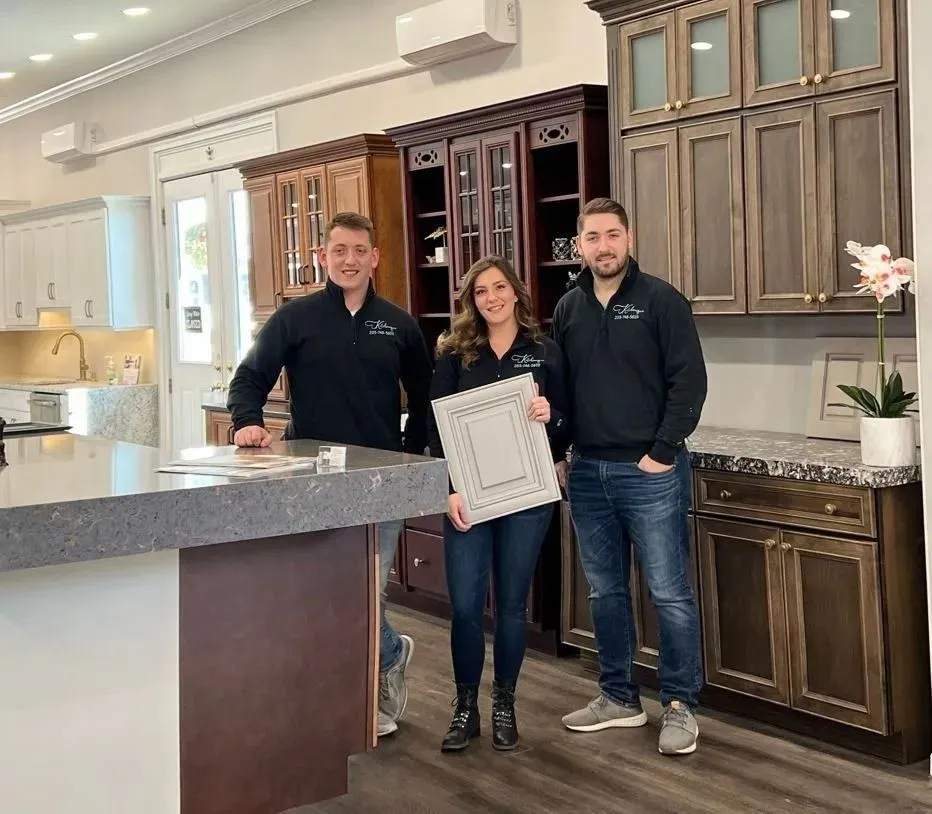
A good sign is being told where not to spend. Anyone who recommends full custom for a square room with standard dimensions is selling rather than advising. The right answer is often quality semi-custom with the saving redirected into storage fittings or a better countertop.
Ask what they would cut if the budget dropped fifteen percent. The answer tells you whether you are getting advice or a quote.
Regional housing stock has patterns. Someone who works constantly across the Naugatuck Valley and western Connecticut knows what a 1920s two-family kitchen usually needs. We work across the towns on our serving areas page, from our Danbury and Waterbury showrooms.
Visit Kitchenique Cabinetry in Danbury or Waterbury to explore kitchen cabinets, bathroom vanities, countertops, cabinet styles, finishes, and design options for your home.
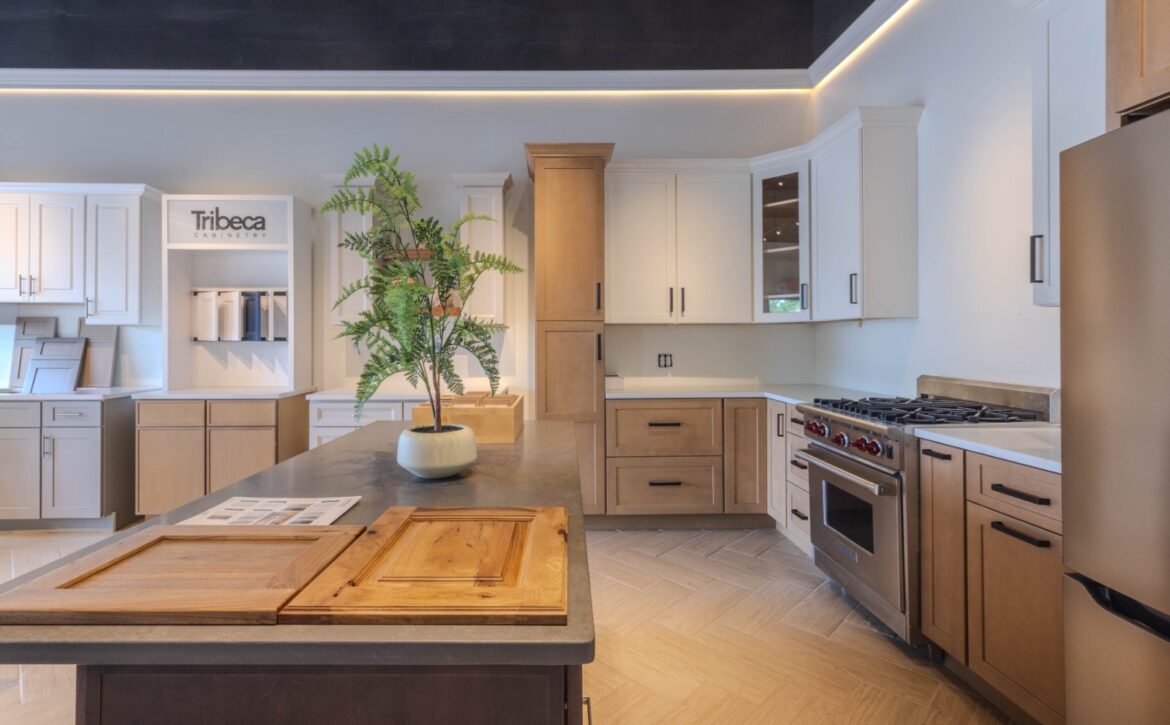
Cabinet design decisions are easy to get wrong and expensive to reverse. Wood came back into kitchens after a long stretch of painted white, and it returned in a different form than the honey oak most people remember. Three directions have held up well enough to be worth understanding.
The oak revival is not the oak of the 1990s. Quartersawn and rift-cut boards are milled at an angle that produces a straight, tight grain rather than the wide cathedral arches of plain-sawn stock. The result reads as calm and linear, which is why it sits comfortably in contemporary rooms where the older cut would look busy.
It is also more dimensionally stable, which matters in Connecticut where indoor humidity swings hard between February and August.
The heavy amber varnish that dated older wood kitchens has given way to clear and near-clear finishes that let the timber read as itself. Matte and satin sheens hide fingerprints and daily wear far better than gloss, and they photograph less harshly under the downlights most kitchens use.
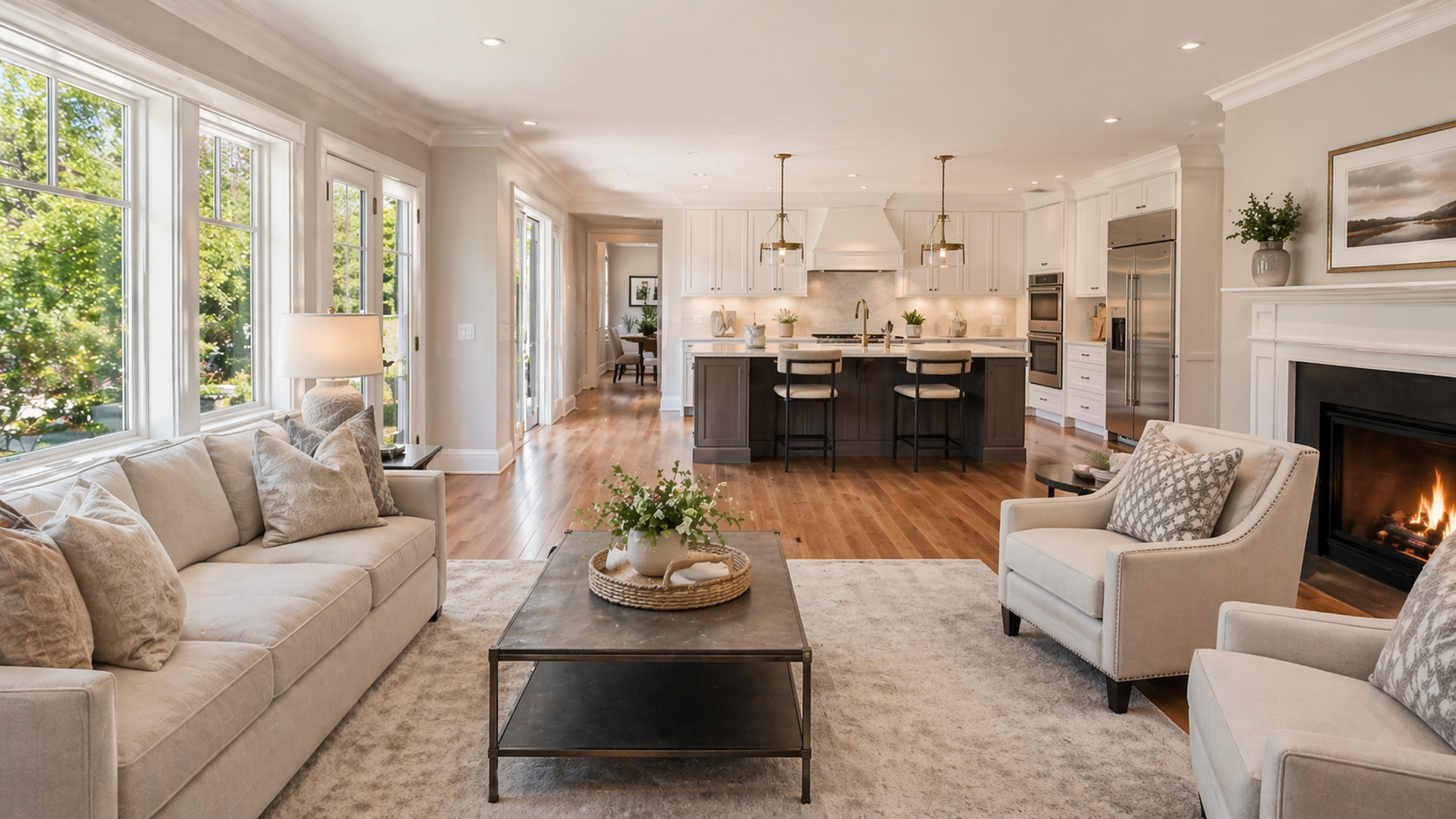
The most durable of the three, because it hedges. A painted perimeter with a wood island, or wood on tall units against painted bases, gives warmth without committing the whole room to one material. It also ages better — if the painted colour eventually dates, the wood element still anchors the room.
Wood tone is the hardest thing to judge from a photograph. Screens shift warmth considerably, and every kitchen light source shifts it again.
A trend is worth following when it also solves something. Rift-cut oak is stable as well as calm. Low-sheen finishes hide wear as well as looking current. Mixed materials hedge against a colour dating. Trends that only look different tend to be the ones people regret.
Bring a floor sample and a paint chip when you look at wood doors — our Danbury and Waterbury showrooms let you compare species and sheen side by side, which is the only reliable way to judge tone. You can also see how each pairs with our countertop selections.
Visit Kitchenique Cabinetry in Danbury or Waterbury to explore kitchen cabinets, bathroom vanities, countertops, cabinet styles, finishes, and design options for your home.
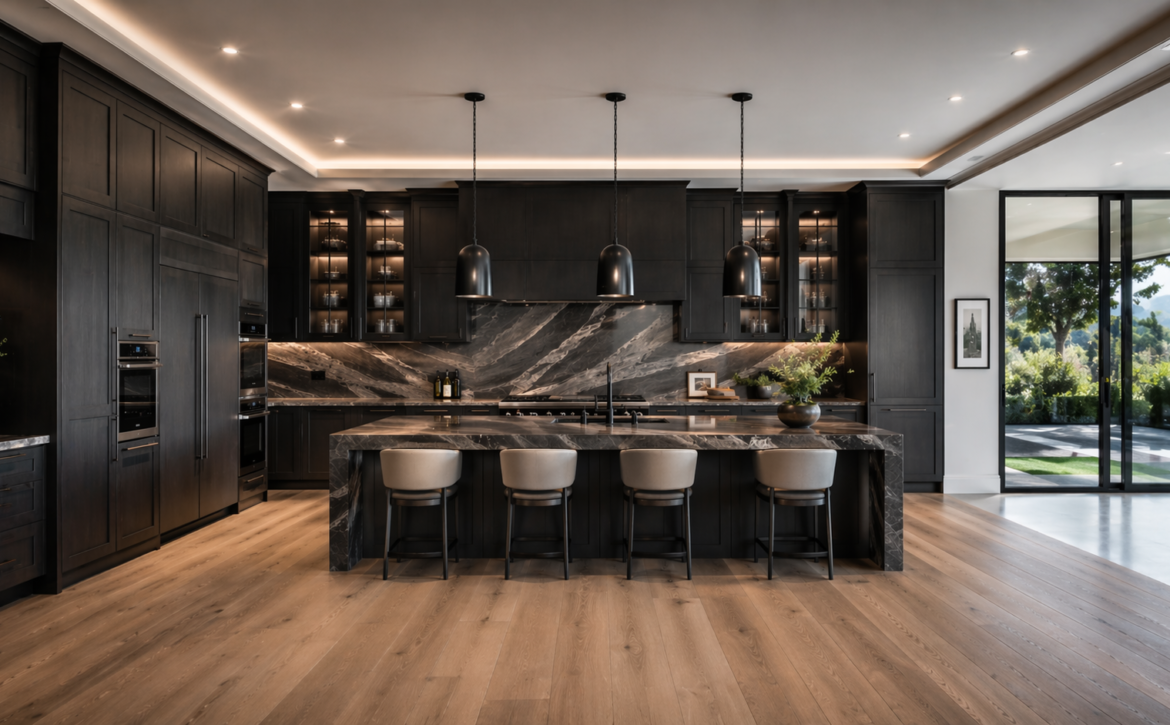
Custom cabinets are not always the right answer, but where they are, nothing else works. Custom cabinetry is not automatically the right answer, and anyone who tells you otherwise is selling. It is the right answer in specific situations — and in those situations nothing else works. Here is where the money actually goes.
Older Connecticut houses are rarely true. Walls bow, ceilings step where an addition meets the original structure, and chimney breasts sit exactly where you wanted a run of base units. Stock cabinetry handles this with filler strips, which is a visible compromise on a wall you look at every day.
Custom work is measured to what is actually there and scribed to it. The result reads as part of the house rather than furniture pushed against a wall.
Stock cabinets come in three-inch jumps. Across a typical kitchen that surrenders somewhere between four and nine inches to filler — often an entire drawer bank. Custom sizing puts that back into storage.
Standard interiors are designed for an average household that does not exist. Custom lets the interior follow how you actually cook: a deeper drawer for stock pots, a narrow pull-out for trays beside the oven, a spice run at eye level rather than above the hood.
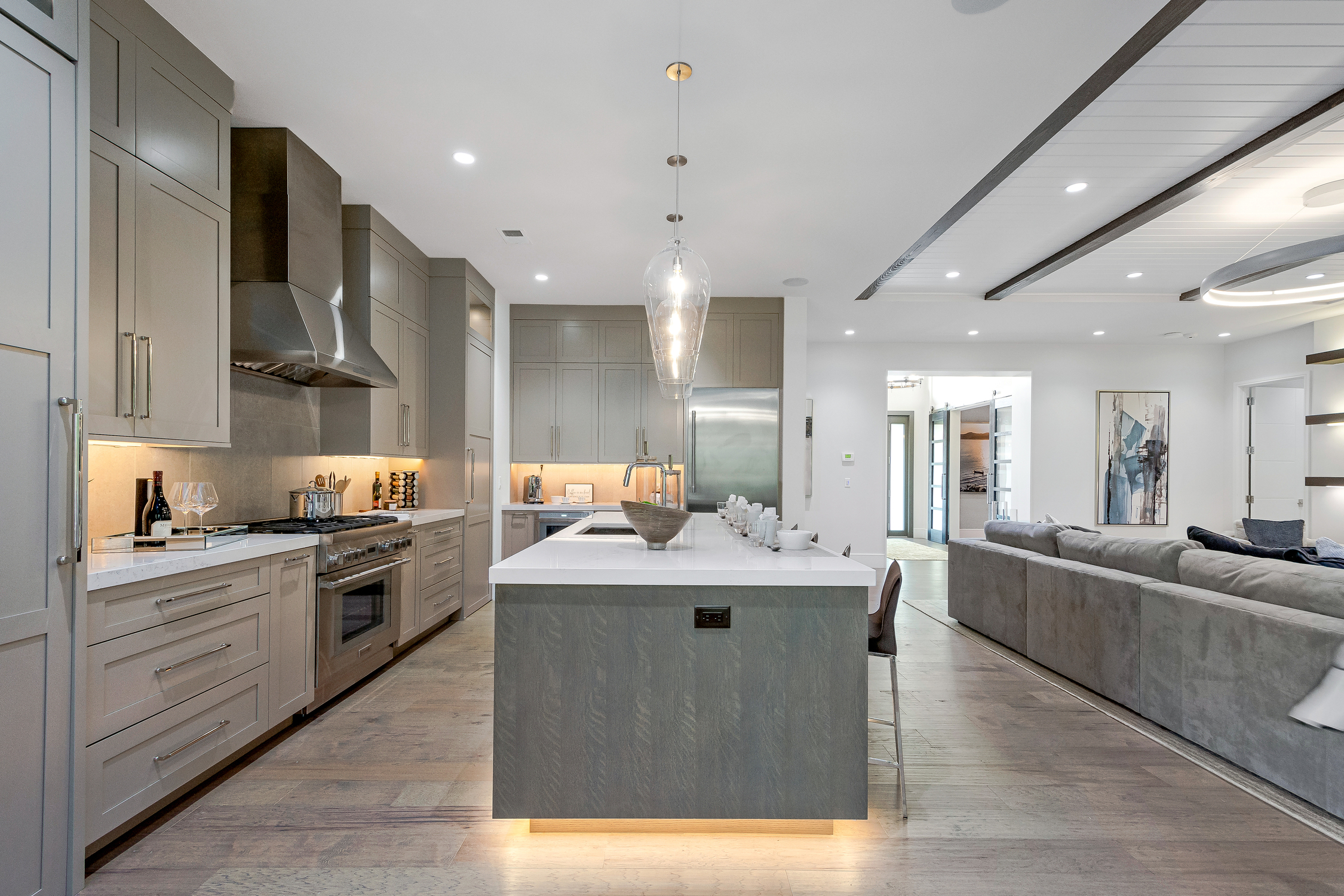
Doors set flush within the face frame are largely a custom proposition, because the tolerances are tight enough that the box has to be built to suit. In a period house it is the detail that makes cabinetry read as joinery rather than as fitted units. It is worth seeing in person — the reveal and the hardware carry the whole effect.
Custom removes the catalogue constraint. Species, cut, stain, sheen level and paint colour can all be matched to existing millwork or to a floor you are keeping, rather than chosen from whatever is closest.
Custom shops build to a standard rather than to a price point — plywood boxes, dovetailed drawers, catalysed finishes. Over a long enough horizon the cost per year converges with cabinetry you would replace sooner.
A practical split: custom where the architecture demands it, quality semi-custom everywhere else. Reserving custom for the main kitchen and running semi-custom through the mudroom and laundry keeps the budget where it shows.
The honest test is whether your room has a problem stock sizing cannot solve. If it does, custom pays for itself. If it does not, semi-custom will give you the same construction quality and finish range for less. Our teams at the Danbury and Waterbury showrooms will tell you which situation you are in.
Visit Kitchenique Cabinetry in Danbury or Waterbury to explore kitchen cabinets, bathroom vanities, countertops, cabinet styles, finishes, and design options for your home.