


How to Balance Cabinet Appearance and Quality
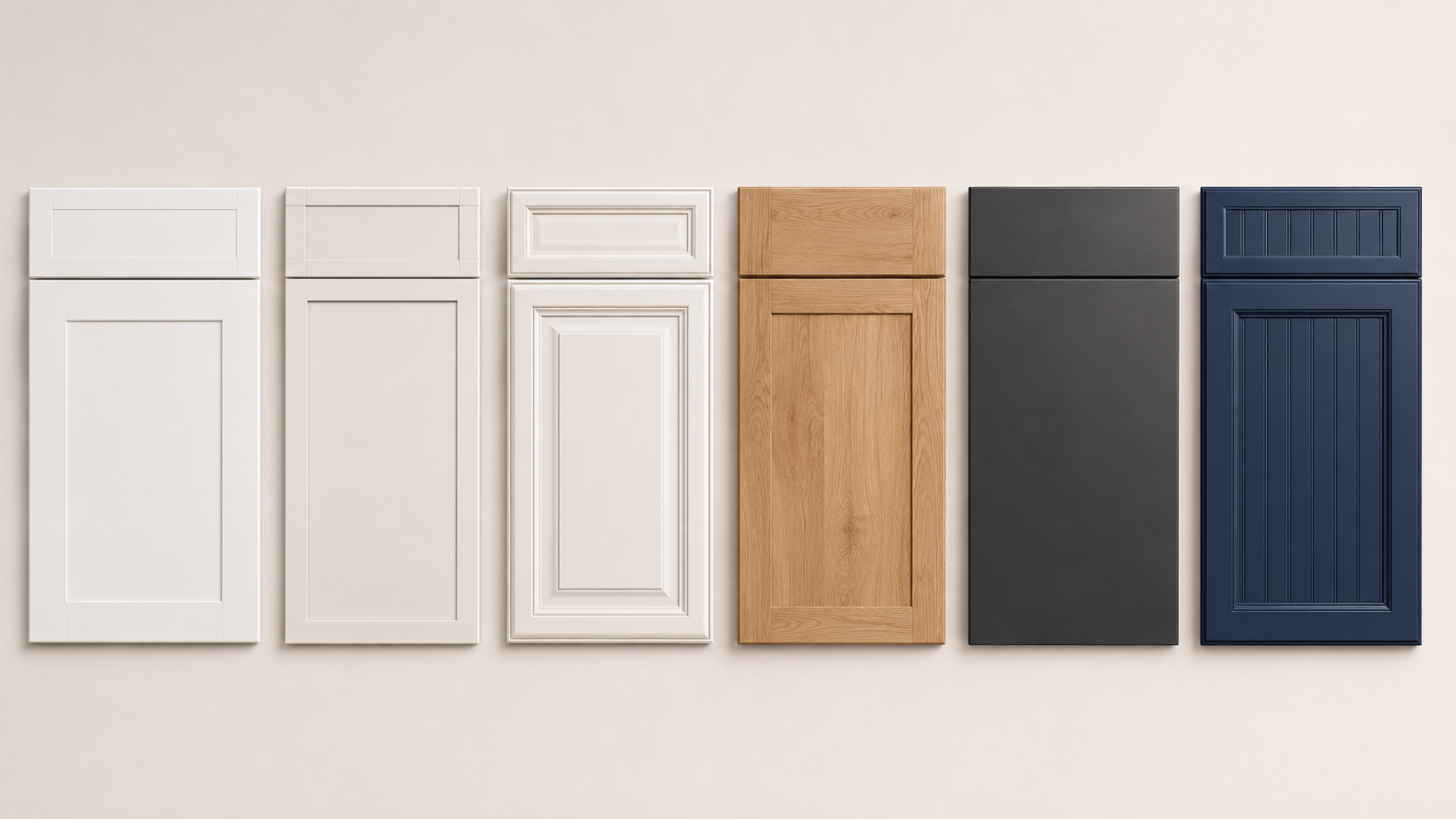
Cabinet design decisions are easy to get wrong and expensive to reverse. Two kitchens can photograph identically and be a decade apart in how long they last. Appearance is what sells cabinetry; construction is what you live with. Balancing them is mostly a question of knowing which decisions are reversible.
Cabinet Design: Separate the Reversible From the Permanent
Hardware can be changed in an afternoon. Paint colour can be changed, at a cost. Door style can be changed if the boxes are sound. Box construction, drawer boxes and the finish system cannot be changed at all without replacing the cabinet.
That hierarchy tells you where to put money. Spend on what is permanent, economise on what is not.
- Permanent: box construction, drawer boxes, glides, finish system
- Semi-permanent: door style, cabinet layout
- Reversible: hardware, paint, interior organisers
What Quality Actually Looks Like
Plywood sides and a full back panel keep a cabinet square, which is what keeps doors aligned years later. Dovetailed drawer boxes on full-extension undermount glides survive daily use. A catalysed finish applied to all faces — including the back of the door — resists cleaning products and keeps the door stable through humidity swings.
None of this is visible once the kitchen is installed, which is exactly why it gets cut first.
Where Appearance Genuinely Matters
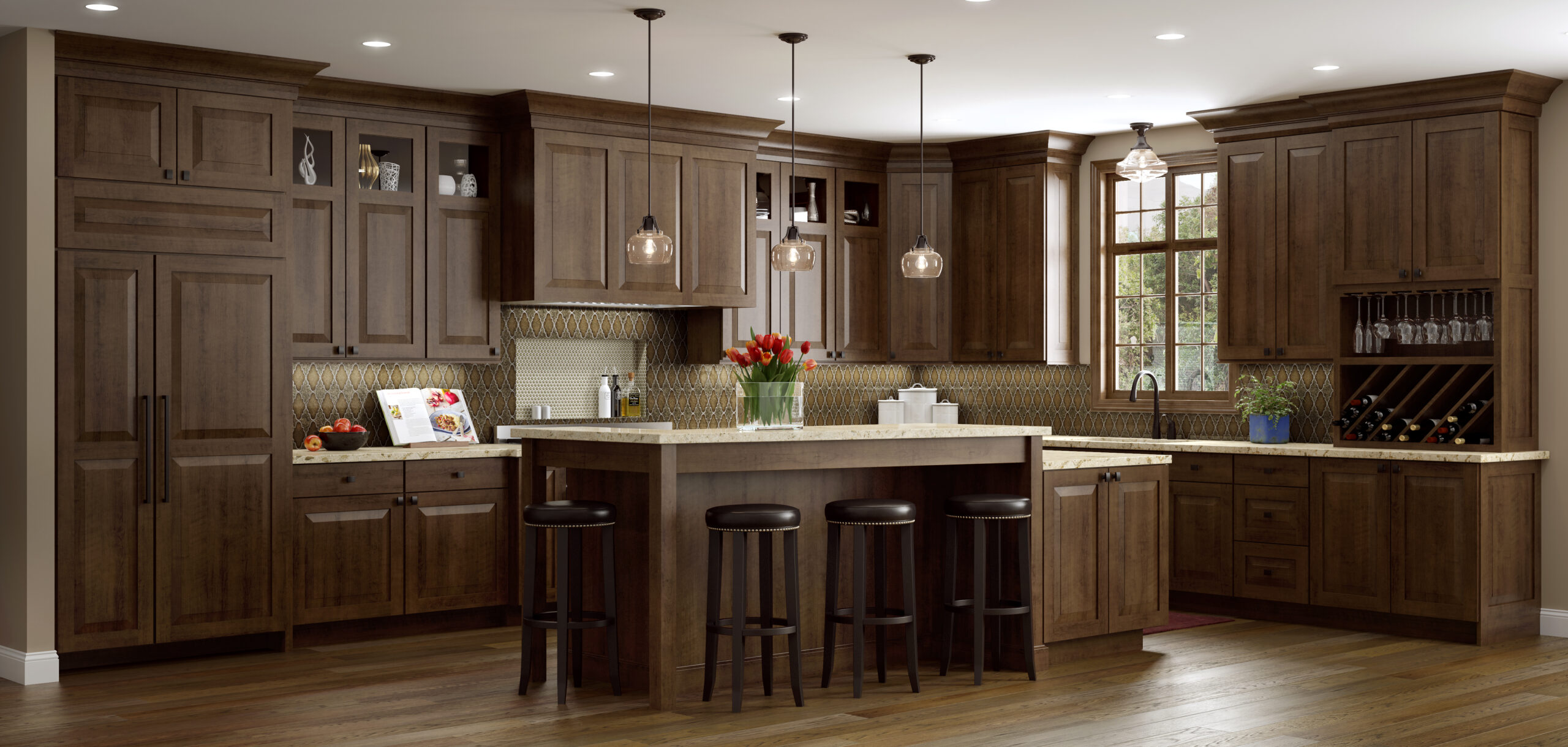
Appearance is not vanity. Door style sets whether cabinetry suits the house, and in an older Connecticut property the difference between a beaded inset door and a contemporary slab is the difference between joinery and fitted units. Finish sheen affects how a room reads under artificial light. These are real decisions, not decoration.
The Practical Compromise
Quality semi-custom cabinetry is where most kitchens land, because it is built to the same standard as custom and differs mainly in sizing flexibility. That frees budget for the storage fittings and the countertop, both of which affect daily use more than a bespoke dimension would.
A door style you like on a poorly built box disappoints within five years. A plain door on a well-built box can be upgraded later.
Judging It Yourself
Three checks settle most of it: pull a drawer fully open and see whether it stays level, look at the back of a door to see whether it is finished, and press on an unsupported shelf. Our Danbury and Waterbury displays are set up so you can do exactly that, across vanities as well as kitchen cabinetry.
Ready to start your cabinetry project?
Visit Kitchenique Cabinetry in Danbury or Waterbury to explore kitchen cabinets, bathroom vanities, countertops, cabinet styles, finishes, and design options for your home.