


3 Features to Look for in Durable, Long-Lasting Kitchen Cabinets
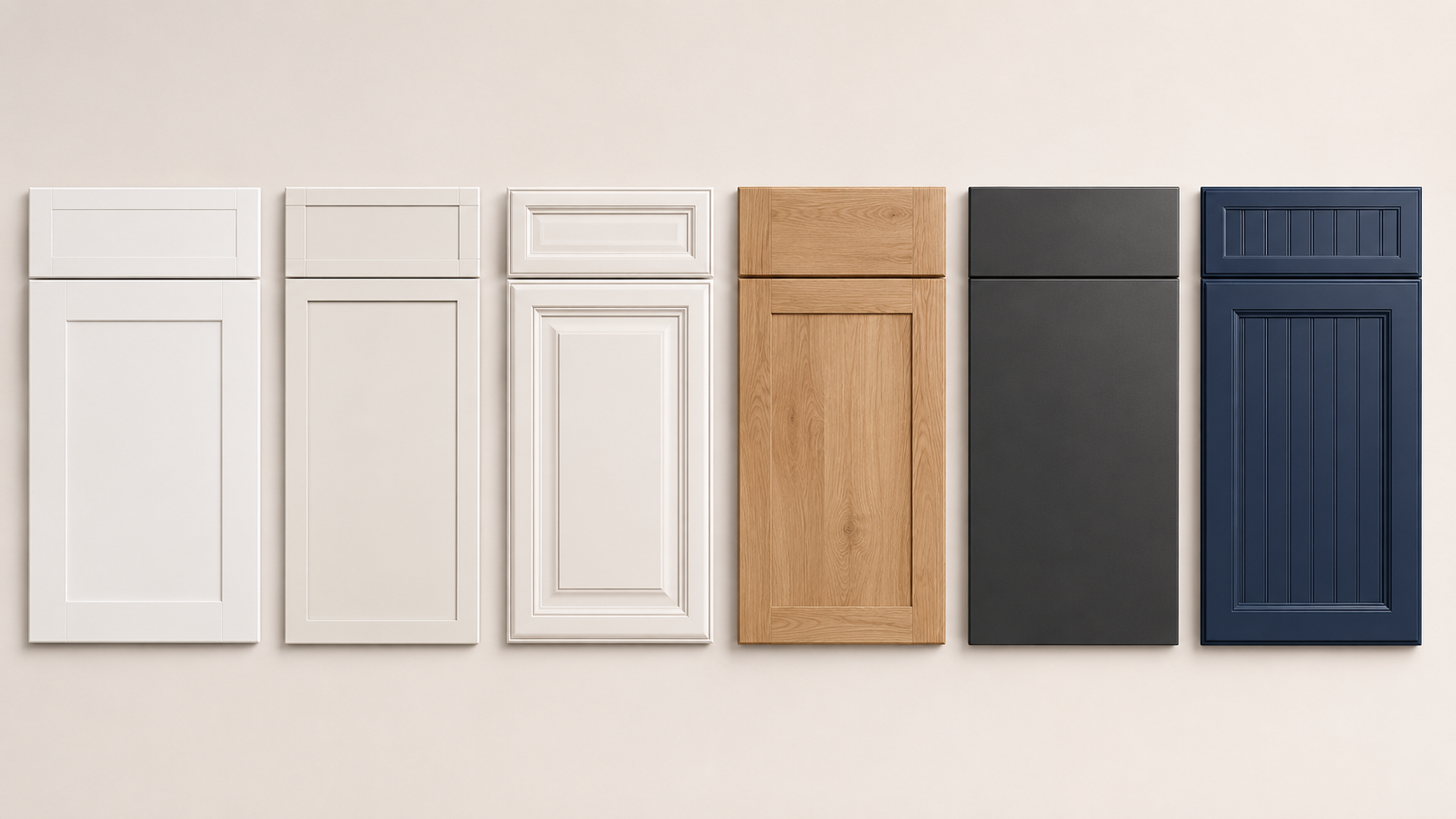
Kitchen cabinets do more work than any other element in the room. Cabinet quality is mostly invisible once the doors are shut. Two kitchens that photograph identically can be a decade apart in how long they last, and the differences come down to three things you can check yourself in about five minutes.
Kitchen Cabinets: 1. How the Box Is Built
The box carries the weight and holds the cabinet square. Plywood sides, a full back panel, and joinery at the corners rather than staples through a butt joint are what keep a cabinet from racking over time. A racked cabinet is why doors that once lined up slowly stop lining up.
Check the back specifically. A full plywood back lets the cabinet be screwed into studs anywhere along its width. A thin panel stapled into a rebate does not, and it is a common cost saving in budget lines.
- Plywood sides rather than particleboard
- A full-thickness back panel
- Corner joinery, not staples alone
- Adjustable shelves at least 3/4 inch thick
2. Drawer Boxes and Glides
Drawers take more abuse than any other part of a kitchen. A dovetailed hardwood drawer box with full-extension undermount glides will outlive the kitchen around it. A stapled box on side-mounted rollers will start to sag and rub within a few years of ordinary use.
The test in a showroom takes seconds. Pull a drawer out fully — it should come all the way, stay level with no droop, and close without a shove. Then push down gently on the open drawer front. A good assembly barely moves.

3. The Finish
Finish is what fails first in a kitchen, usually around the sink and the cooktop where heat and moisture concentrate. A properly applied catalysed finish is cured rather than merely dried, which is why it resists cleaning products that would dull a lesser coating.
Look at an inside edge and the back of a door. Quality lines finish all faces, which keeps the door stable as humidity changes through the year. A door finished only on the show face is more likely to cup.
Where Semi-Custom Fits
You do not need full custom to get all three of these. Good semi-custom lines are built to the same standards as custom work and differ mainly in how much the sizing and configuration can be varied. For most kitchens that flexibility is enough, and it puts the budget into construction rather than bespoke dimensions.
Spend on the box, the drawer, and the finish. Those decide how long the kitchen lasts. Door style decides how it looks, and it costs the same whether you choose well or badly.
Checking for Yourself
Bring these three checks to any showroom, ours included. Open a drawer fully, look at the back of a door, and put a hand on an unsupported shelf. Our Danbury and Waterbury displays are set up so you can do exactly that rather than take a claim on trust.
Ready to start your cabinetry project?
Visit Kitchenique Cabinetry in Danbury or Waterbury to explore kitchen cabinets, bathroom vanities, countertops, cabinet styles, finishes, and design options for your home.